Kampot: a riverside town on Cambodia's south coast
Kampot is a small provincial town in southern Cambodia, built along a river and lined with French-era shophouses. It moves slowly, and that is most of the appeal.
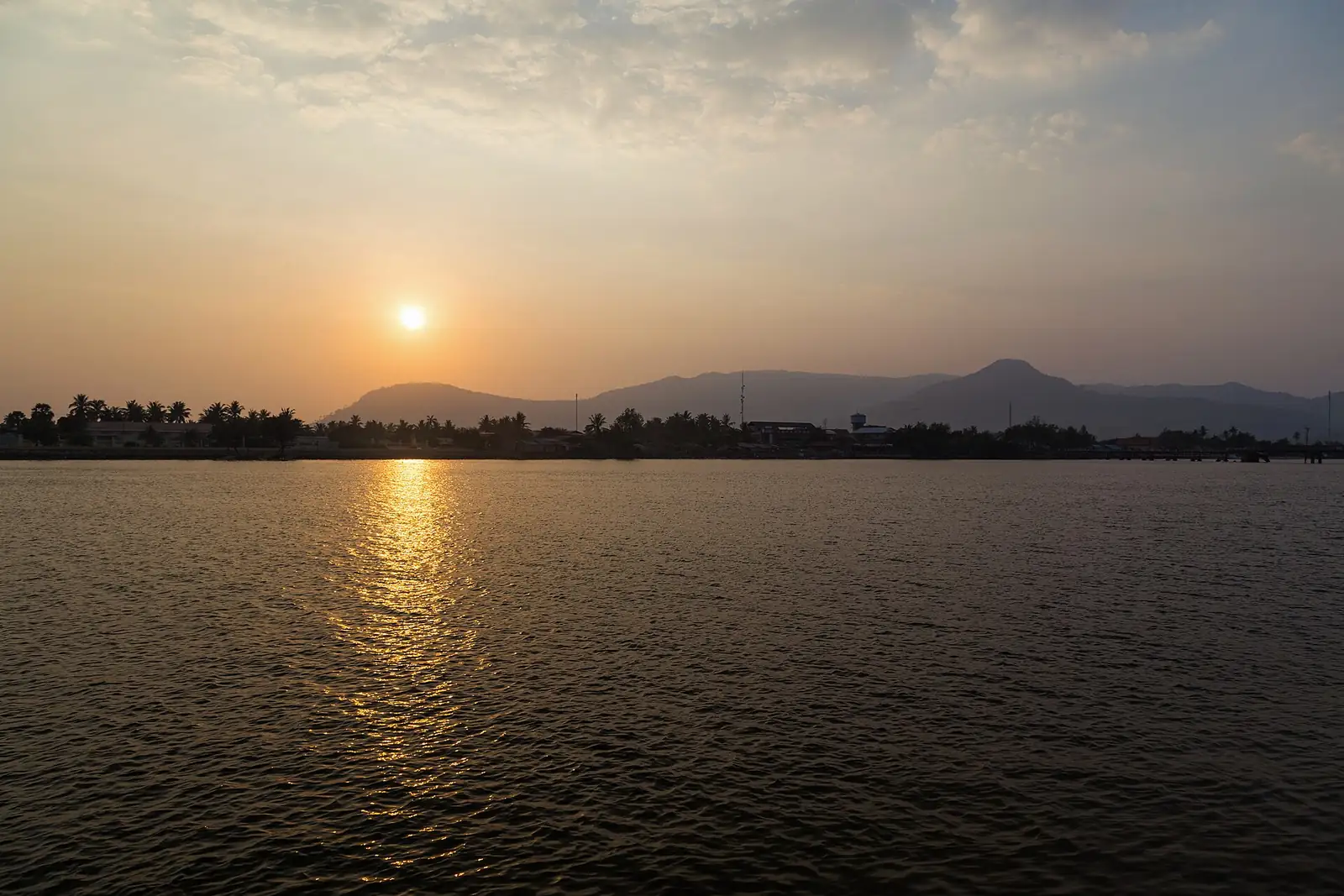
Around the river town
Landmarks you will pass within a few minutes of the old bridge.
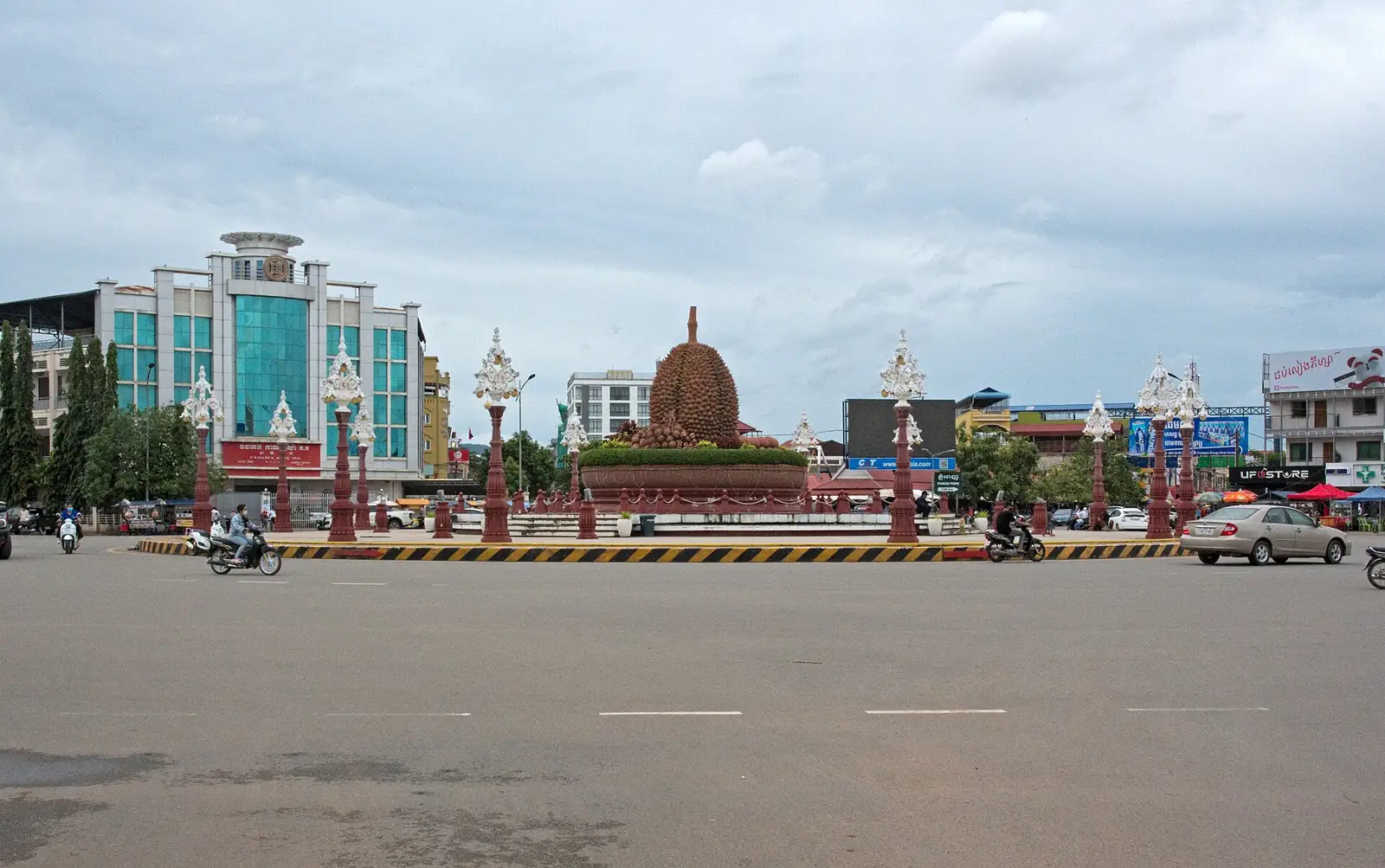 The Durian Roundabout in Kampot
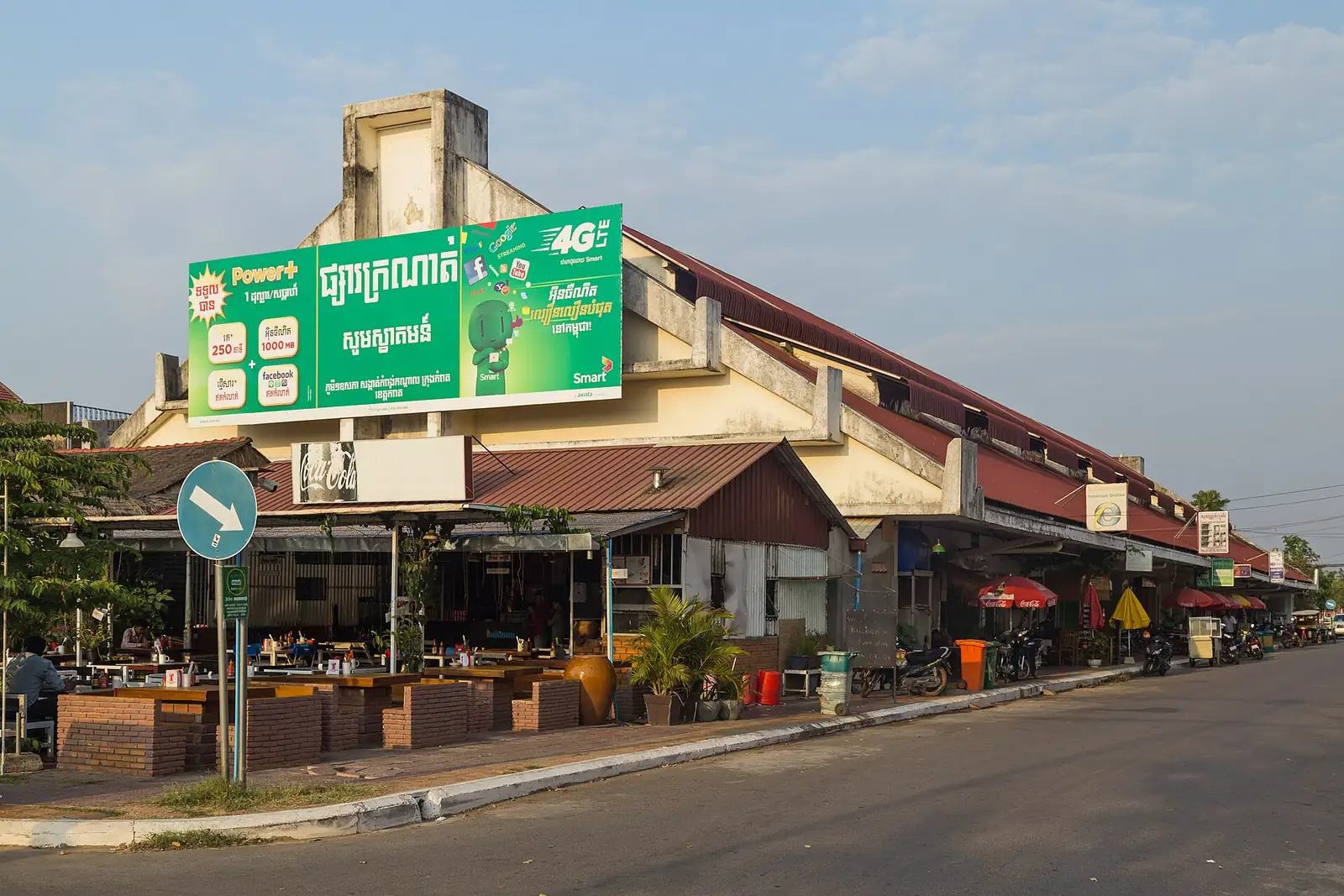 Kampot Market Guide
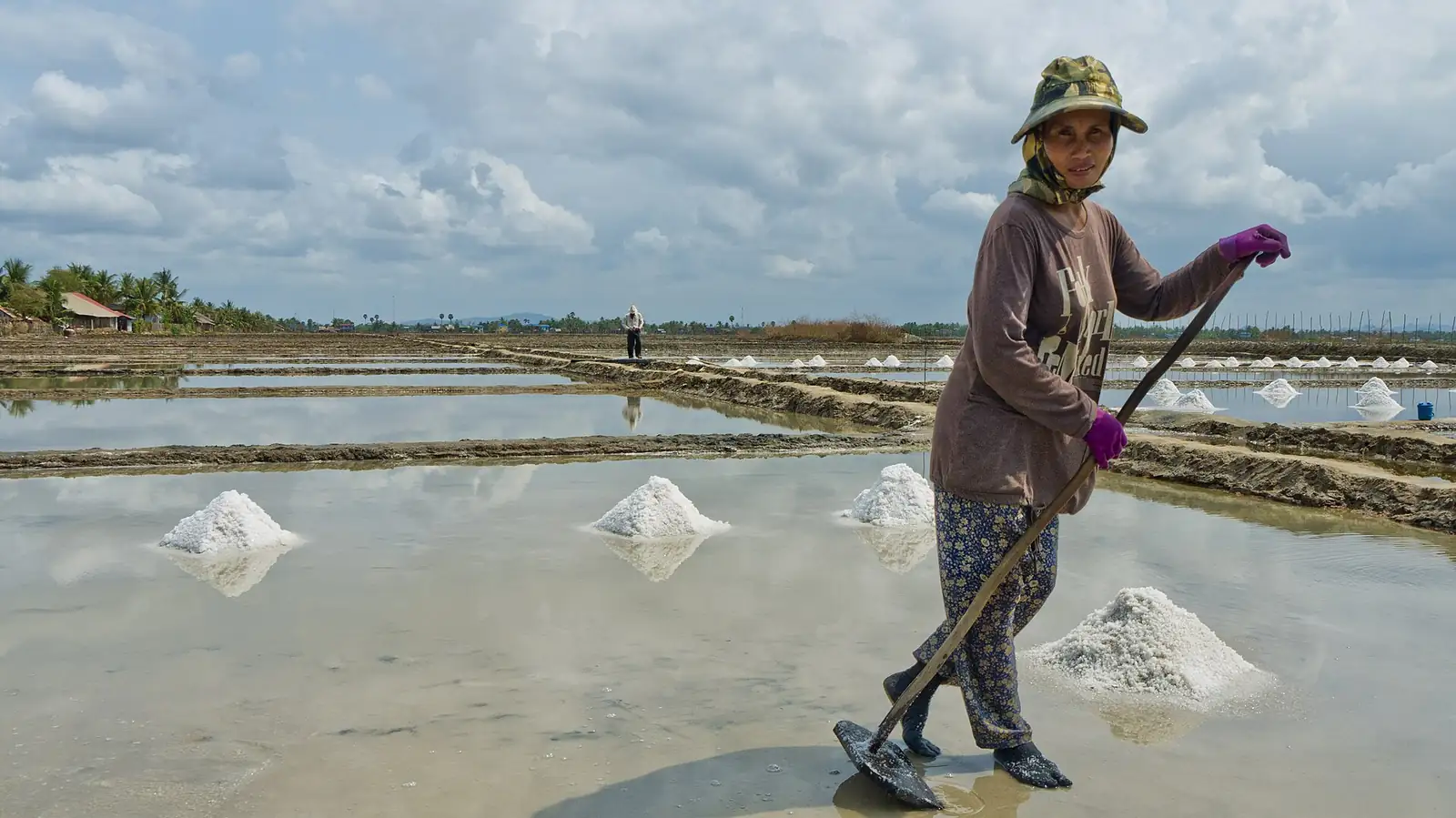 Kampot Salt Fields
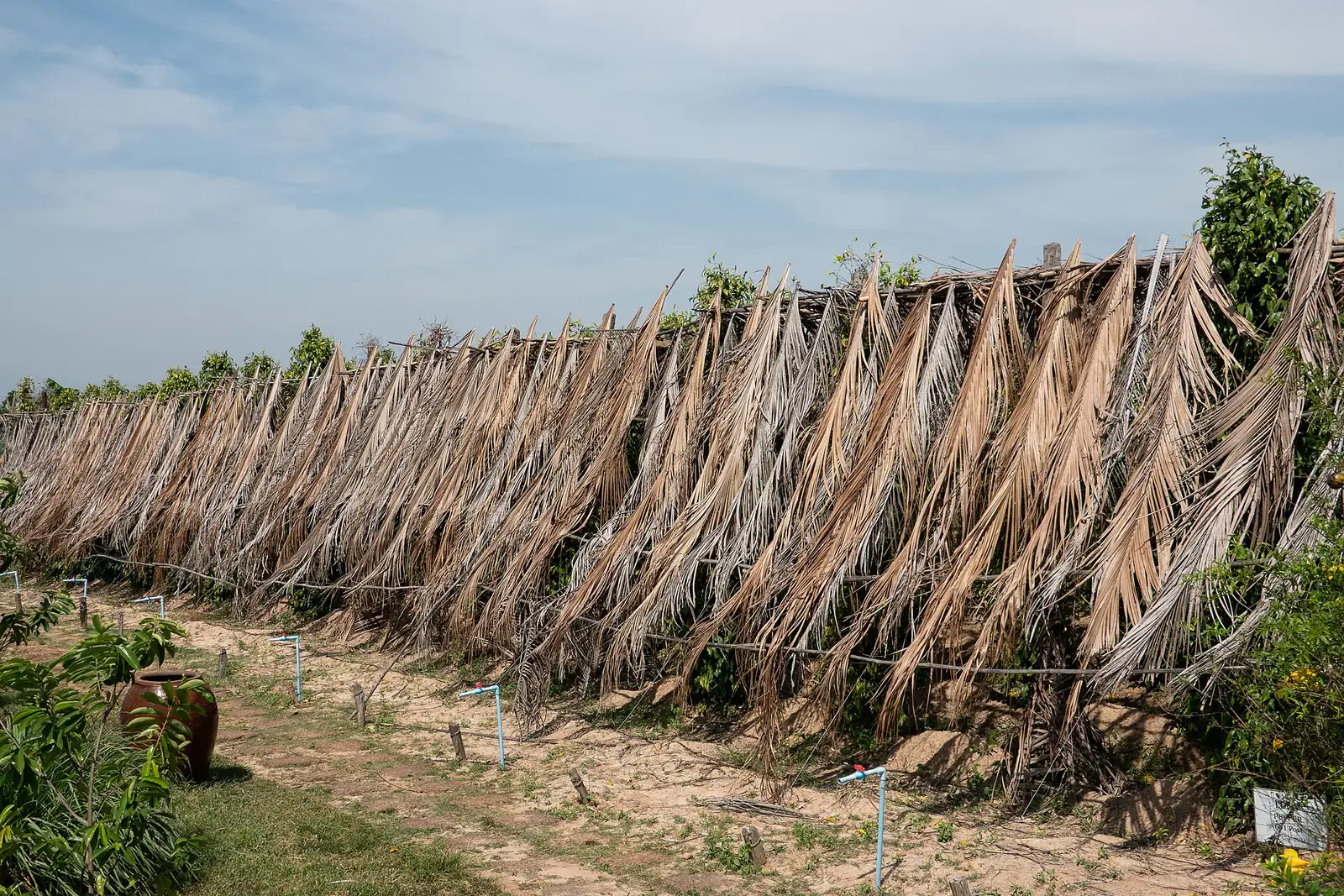 Kampot Pepper
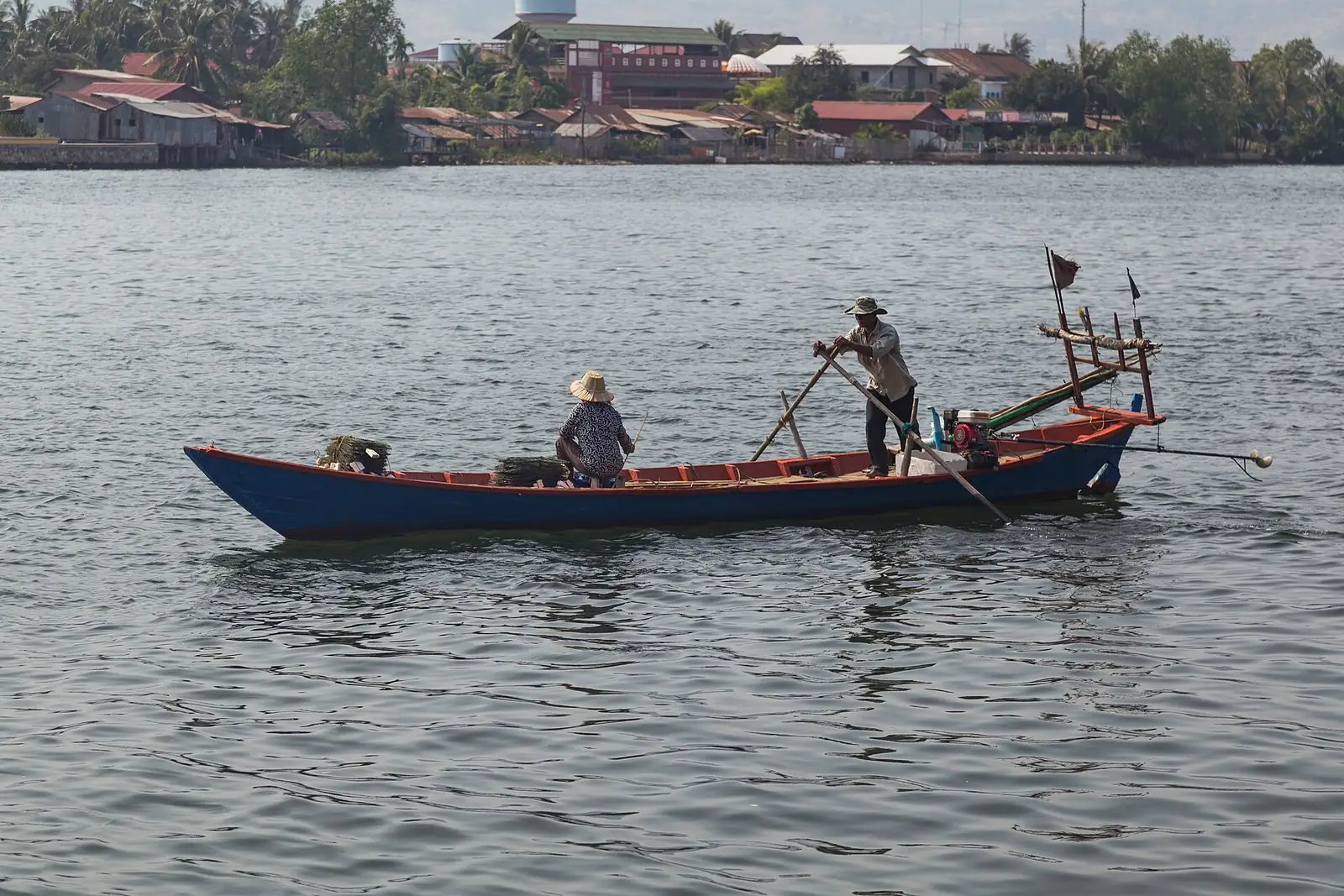 Firefly Cruise on the Kampot River
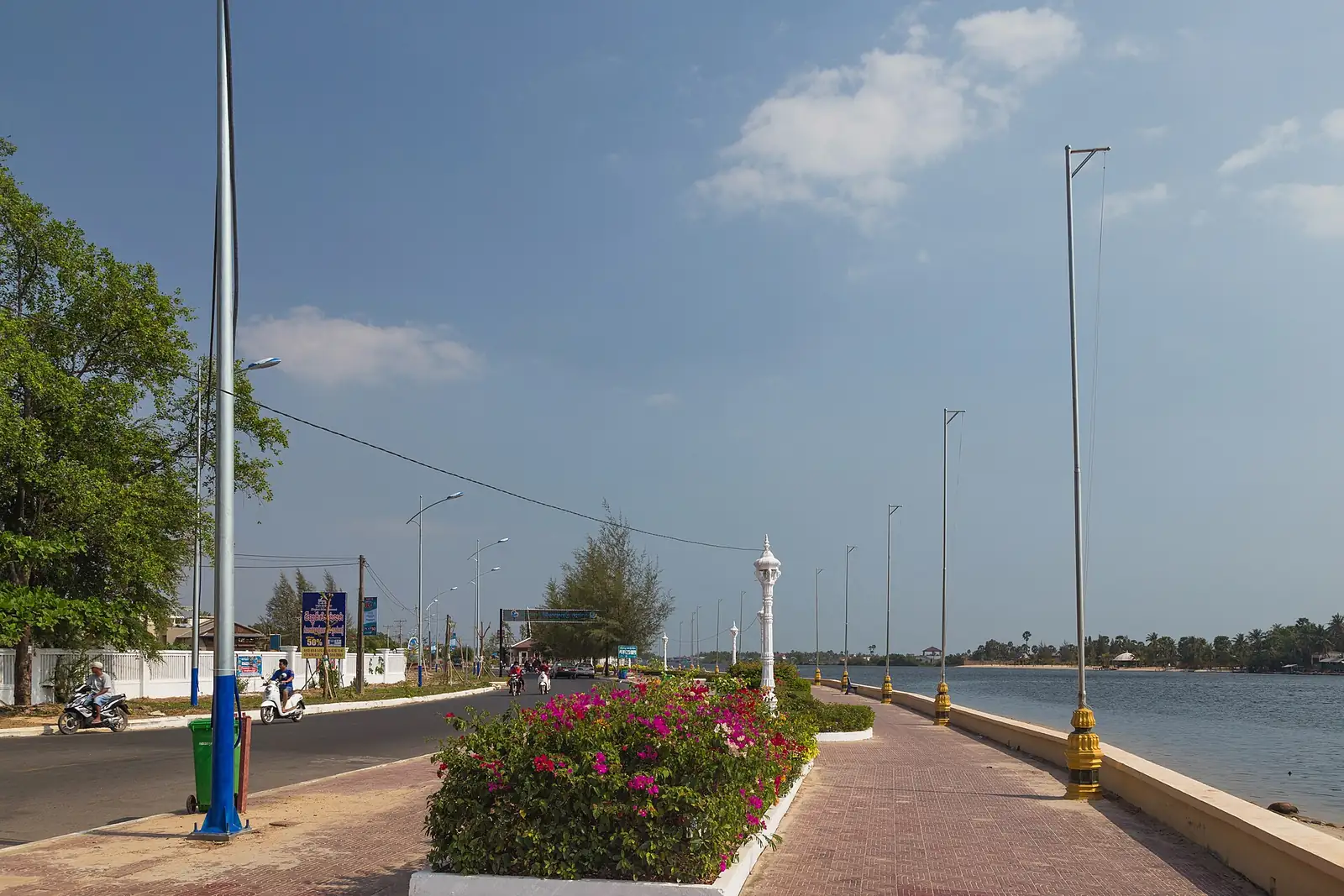 The Seahorse Sculpture on Kampot's Riverfront
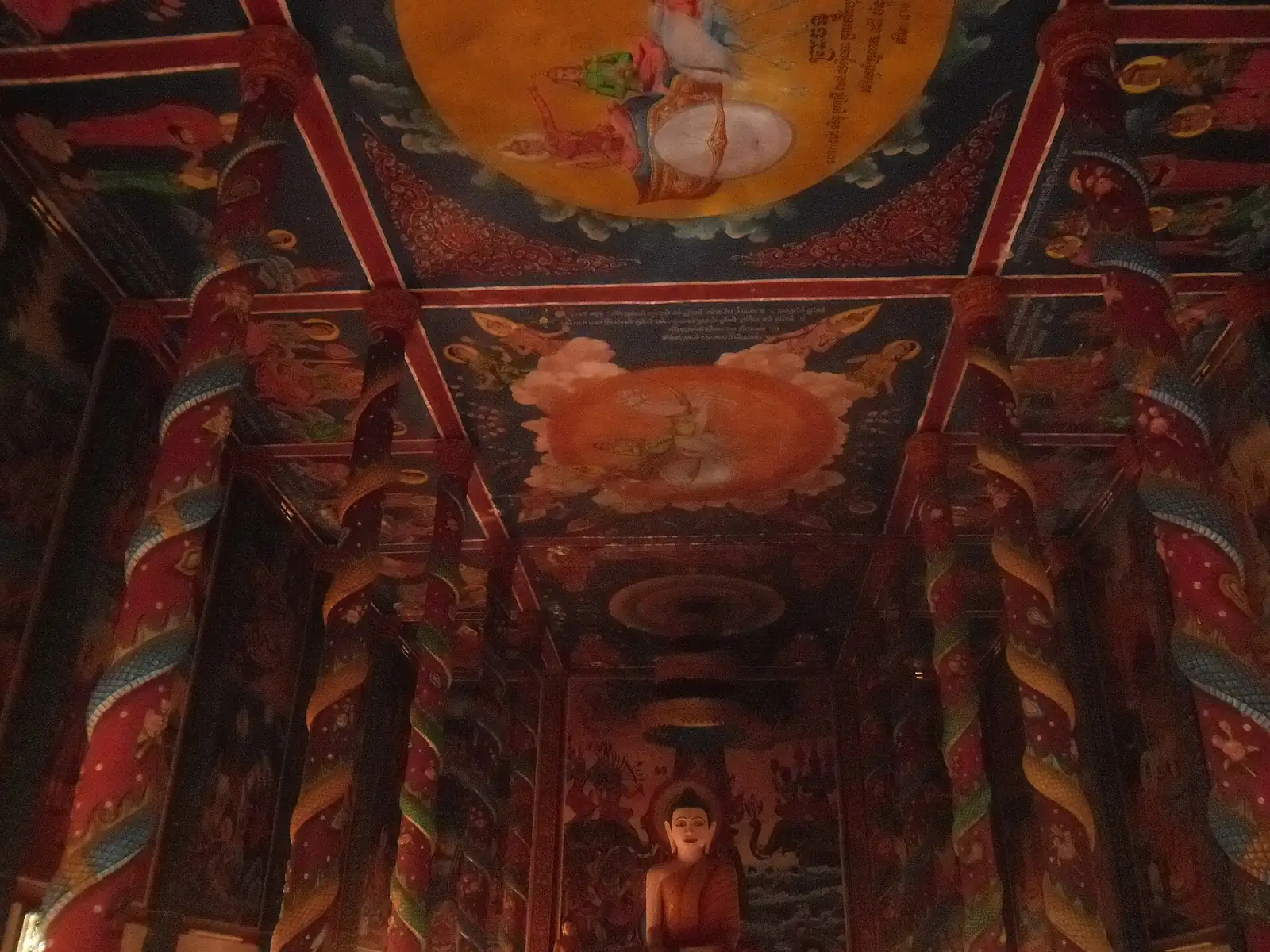 Pagodas and Temples in Kampot
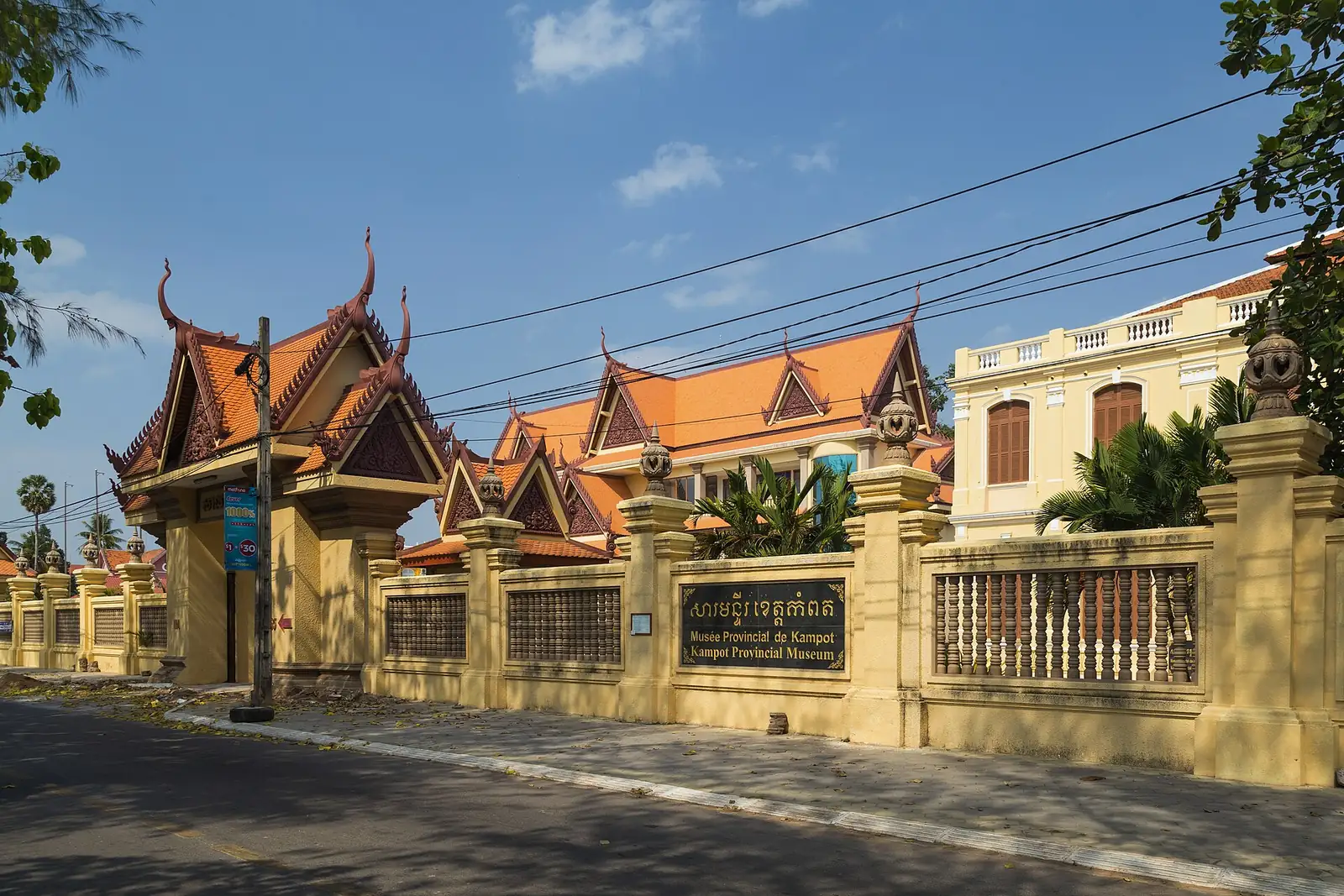 Kampot Provincial Museum
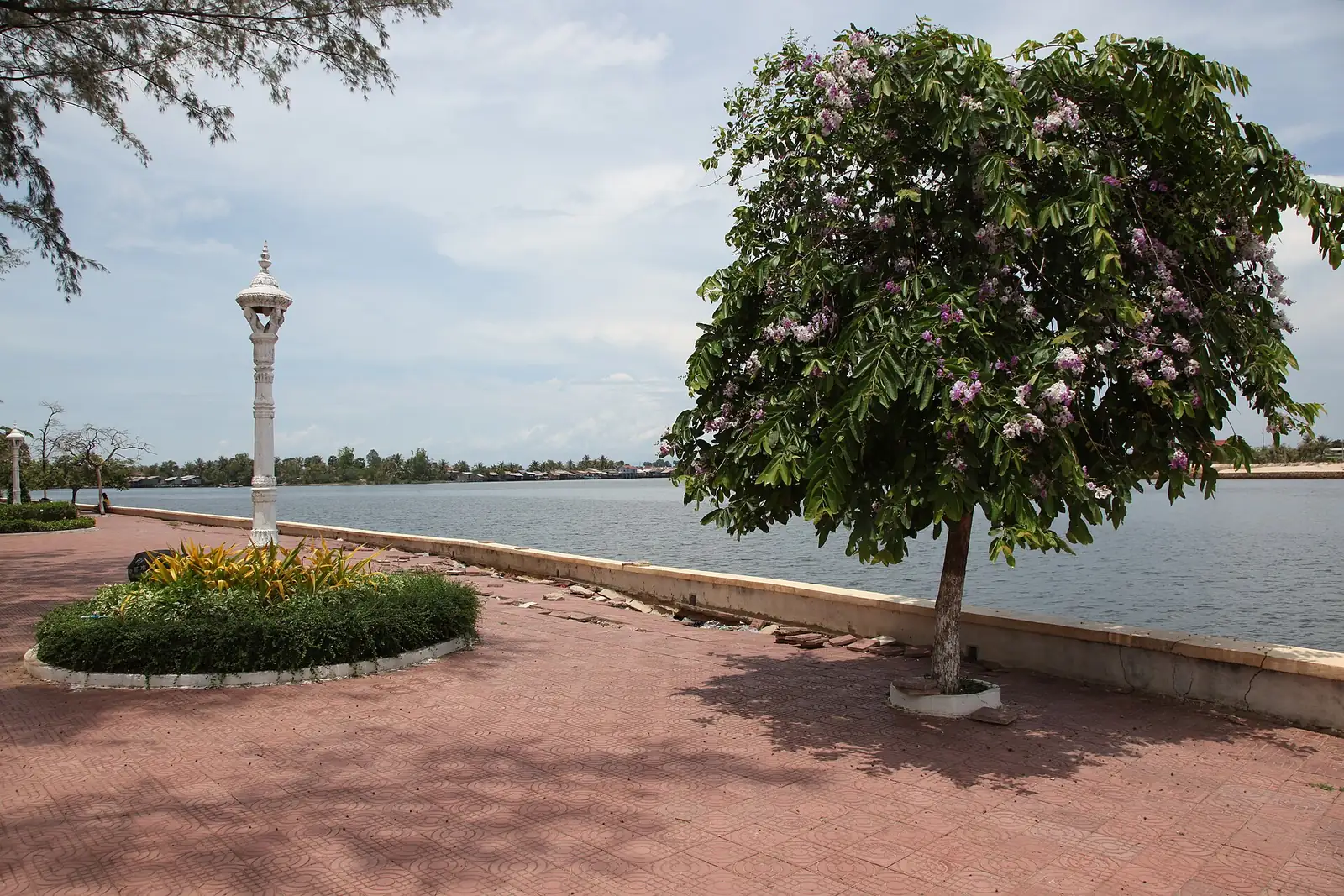 River Beach
The town in brief
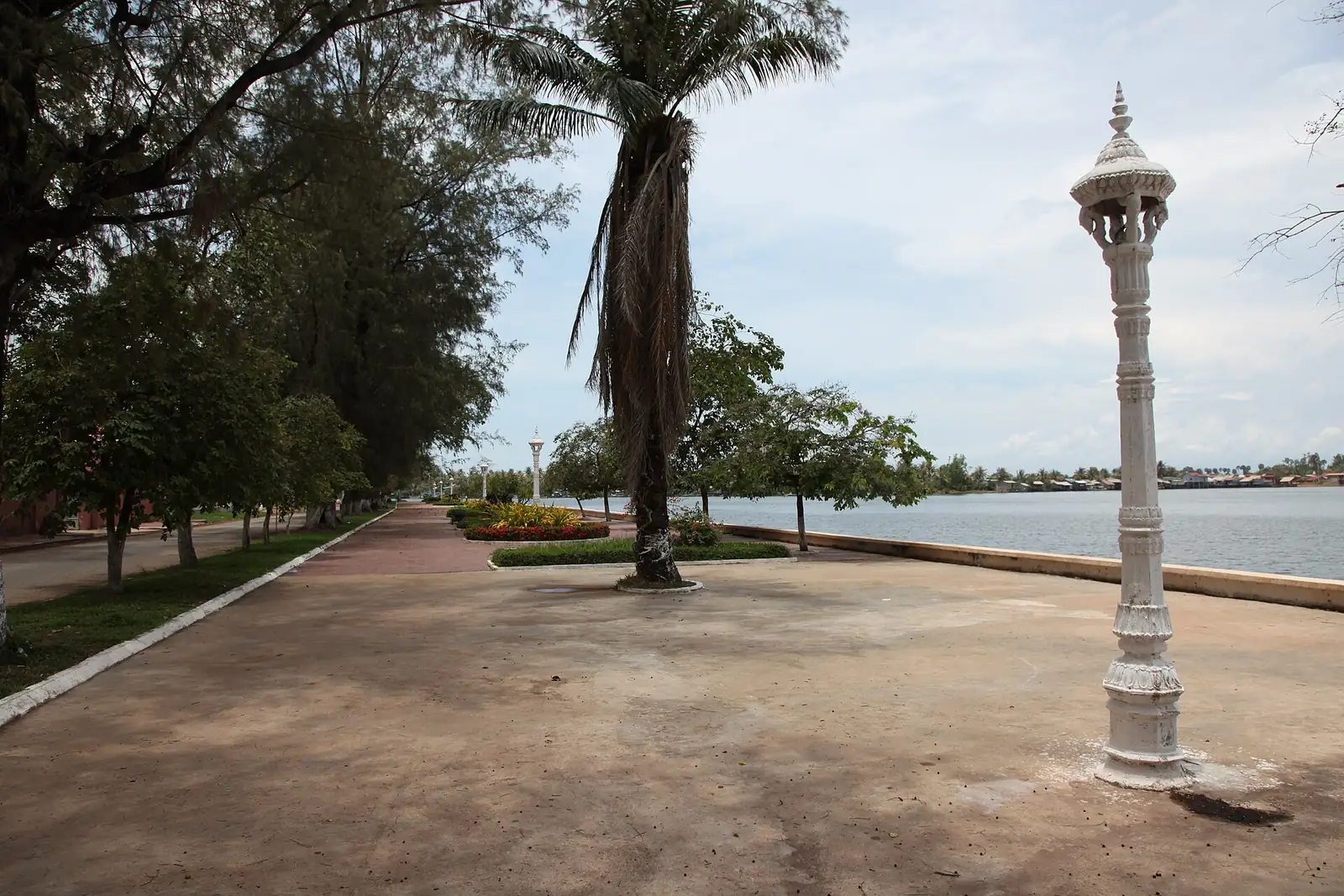
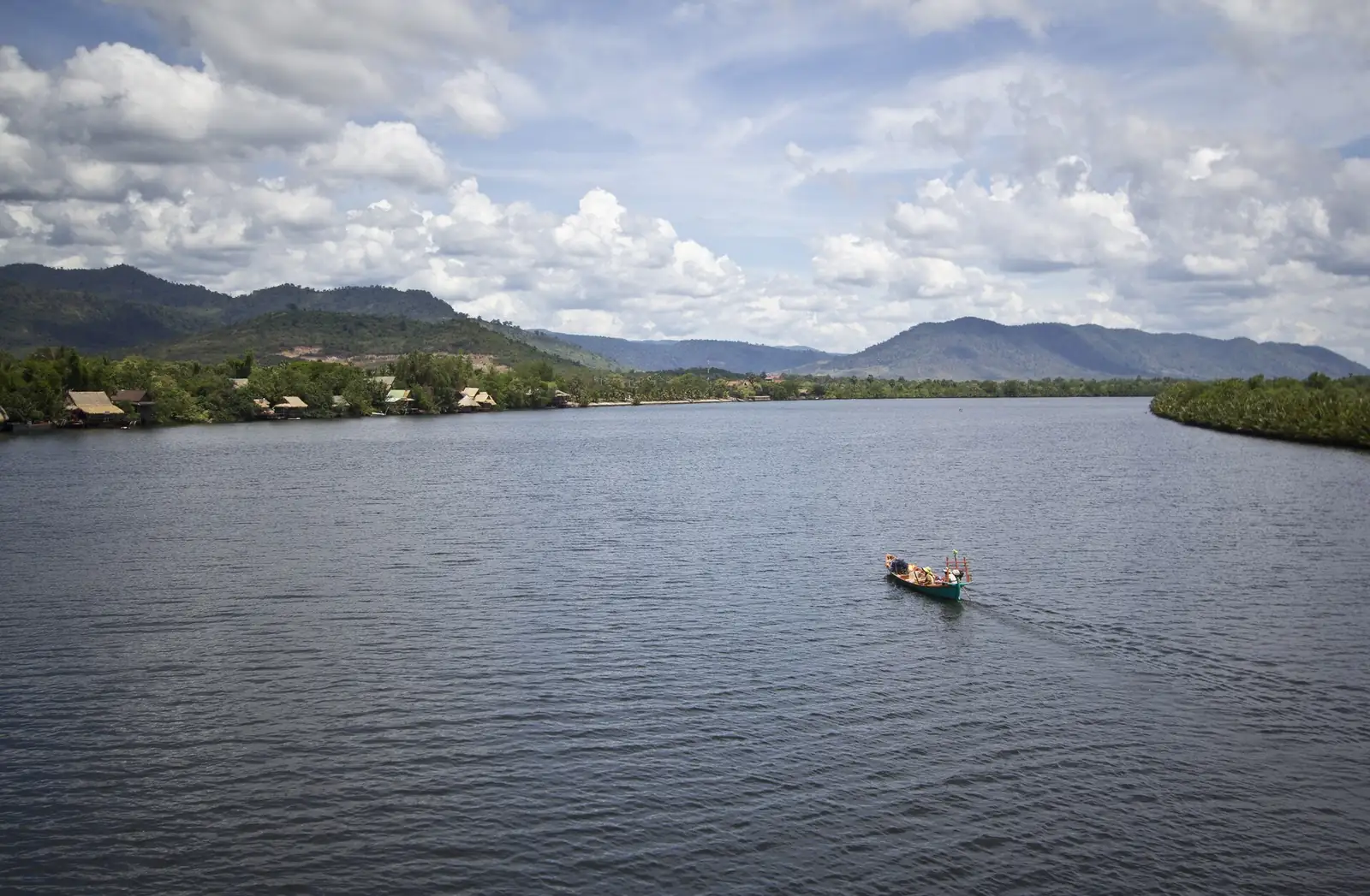
Kampot is the capital of Kampot Province, on Cambodia's southern coast. It is small enough to cover on foot or by bicycle, and the days here tend to follow the river: fishing boats moored along the water, a boardwalk for evening walks, and cafés and guesthouses facing the bank.
The streets of the centre are narrow and winding, with colourful markets, small artisan shops and plenty of places to eat. Nothing here demands a tight schedule. Most visitors stay longer than they planned.
Getting your bearings: river and centre
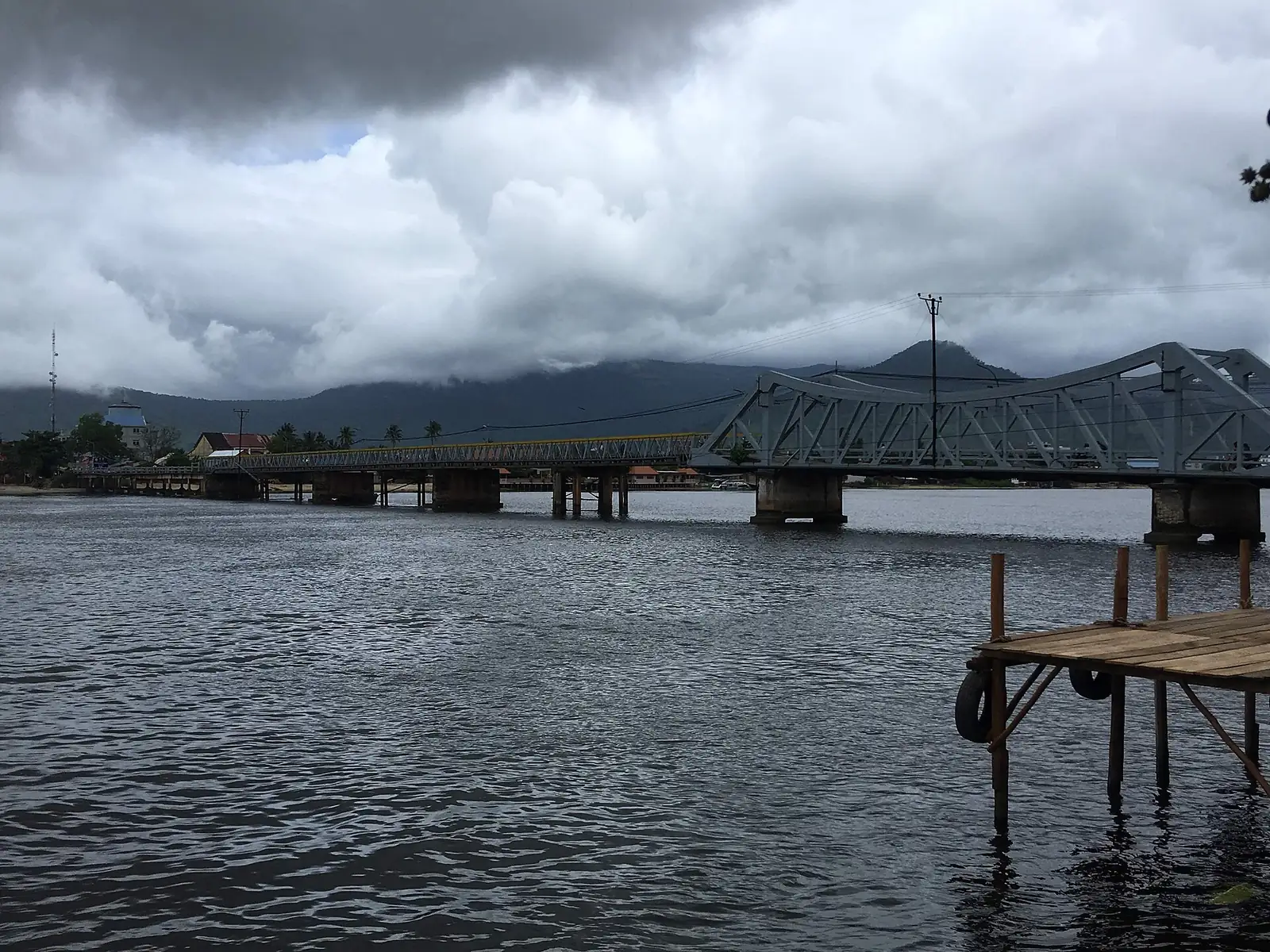
The river is the best reference point. The town sits on its banks, and two bridges cross it: the Old Bridge and the newer Kampong Bay Bridge. Walking the riverside takes you past the new seahorse sculpture, a recent addition that has become one of the town's photo spots.
In the centre, the Durian Roundabout is the landmark that tourists and locals alike use to say where they are meeting. Other roundabouts, statues and monuments are scattered around town, so it is easy to navigate by them once you have seen a few.
- Walk the riverside boardwalk in the late afternoon, when it is cooler.
- Cross the Old Bridge for a look back at the waterfront.
- Use the Durian Roundabout as your meeting point.
Day trips from Kampot
Mountain air, crab shacks and islands, all within reach of a morning departure.
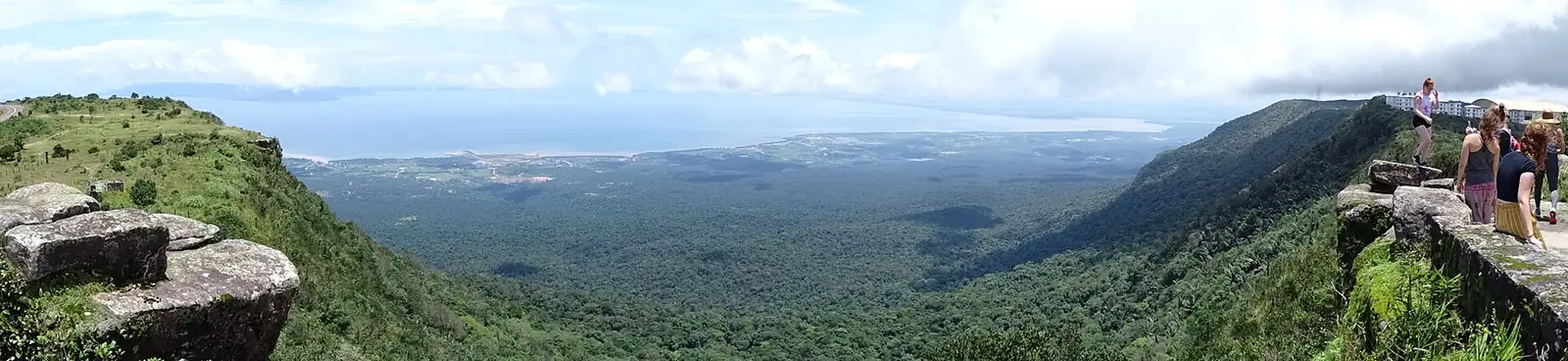
Bokor Mountain and National Park
Bokor is the high plateau west of Kampot town, at 1,300 metres (4,300 feet), set inside a national park...
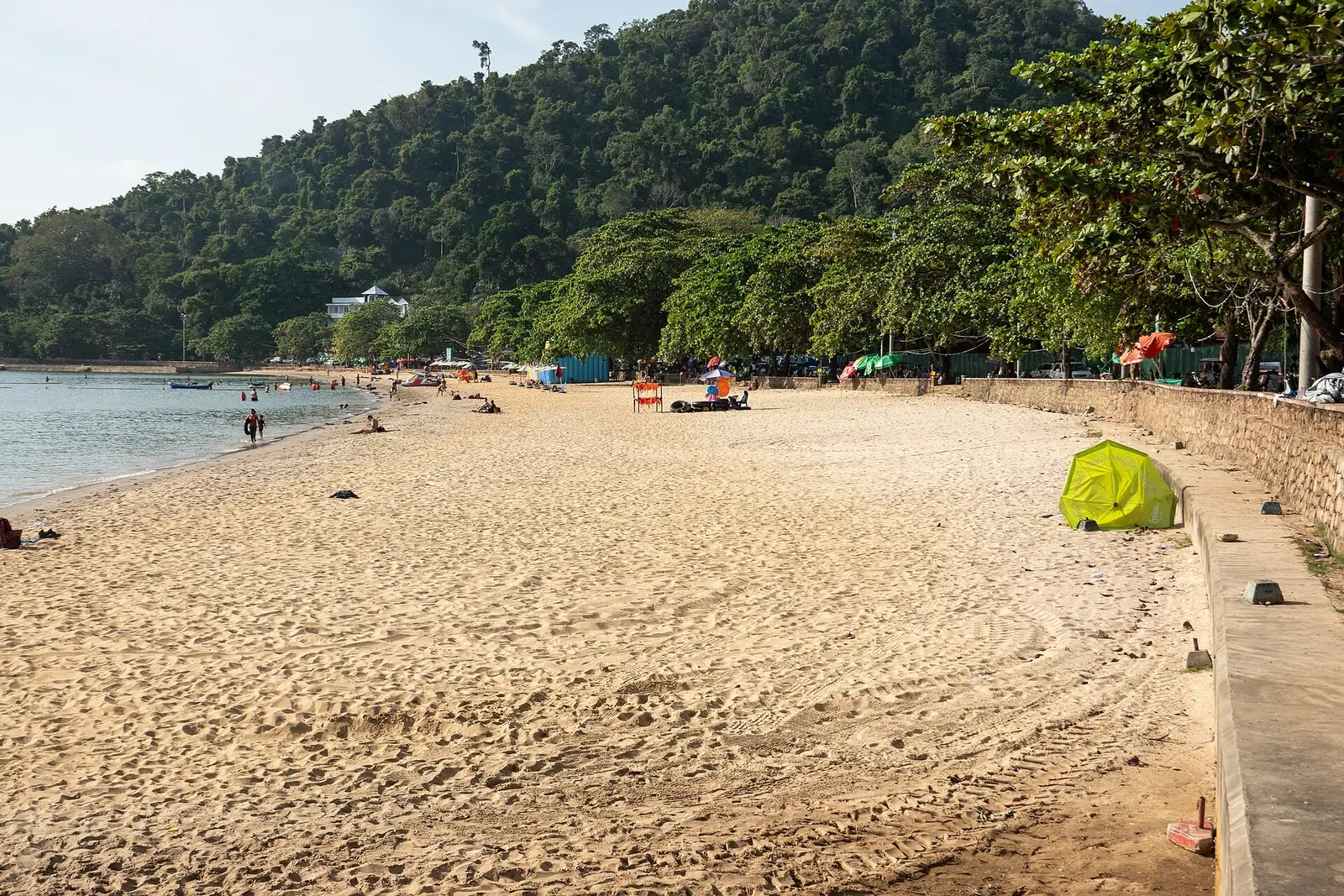
Kep
Kep is a small coastal town about 25 kilometres from Kampot, known for its calm beach, its crab statues and...
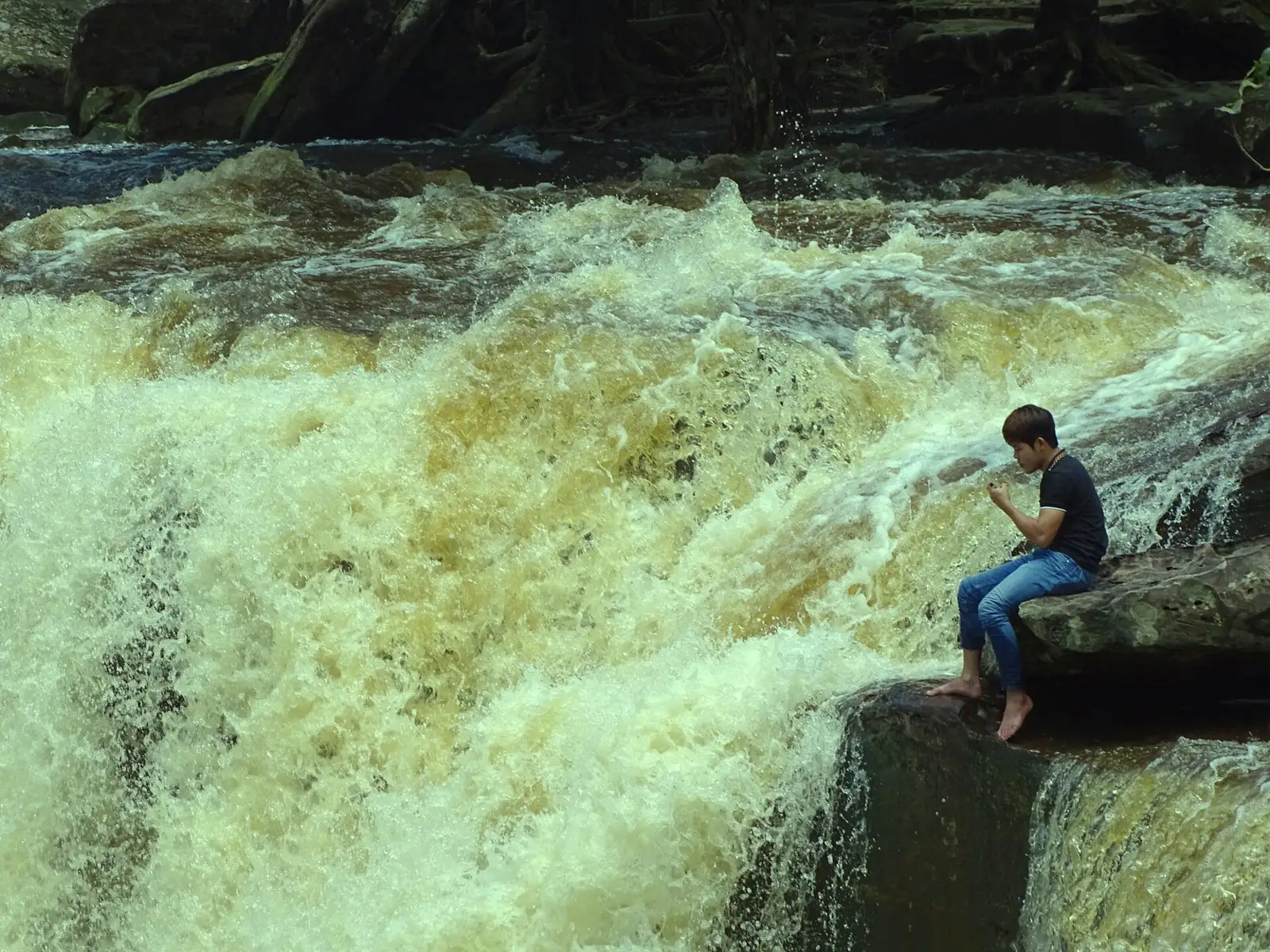
Popokvil Waterfall on Bokor Mountain
Popokvil is a two-tiered waterfall inside Preah Monivong National Park, about 7.5 km north-east of Bokor Hill...
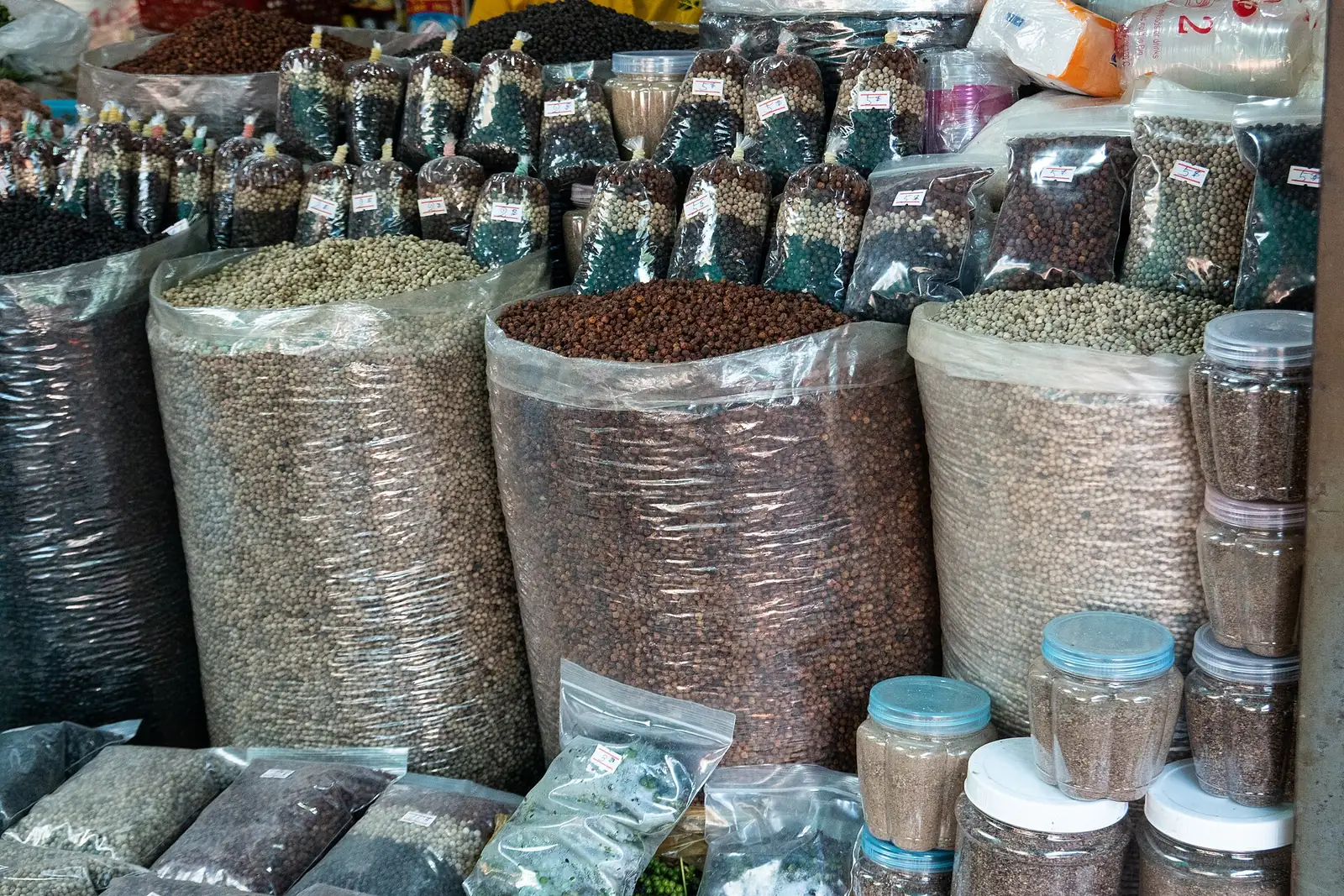
Kep Crab Market
The crab market is the main reason most people stop in Kep. You pick your crabs, hand them to a cook, and...
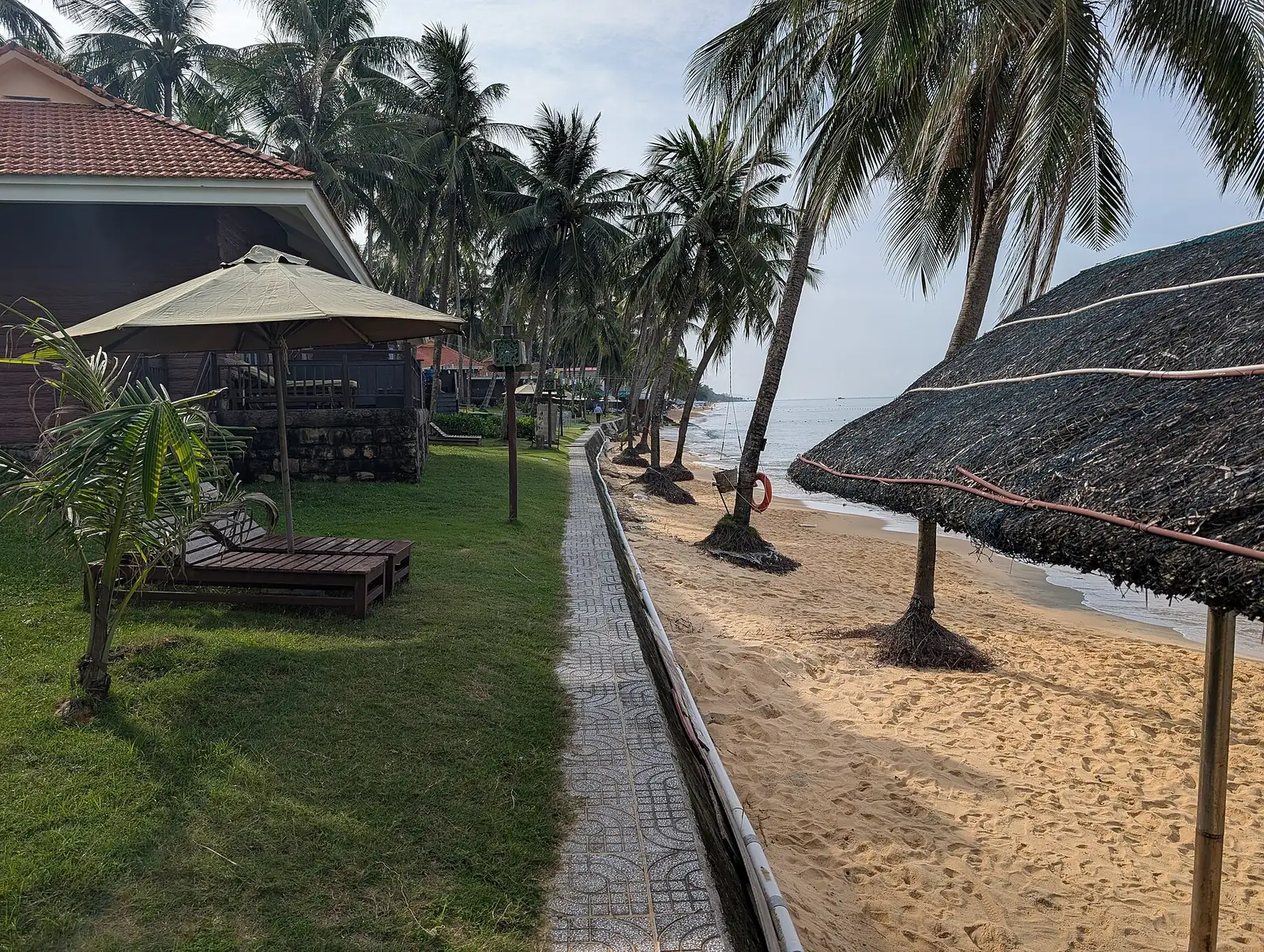
Kampot to Phu Quoc Island by Ferry
Phu Quoc, Vietnam's island in the Gulf of Thailand, can be reached by boat from the newly opened Kampot...
A short history
The area has a long past. Archaeological evidence traced to the Funan and Chenla periods dates settlement here as far back as the 1st century AD. Its position on the coast made it a trading hub for successive empires.
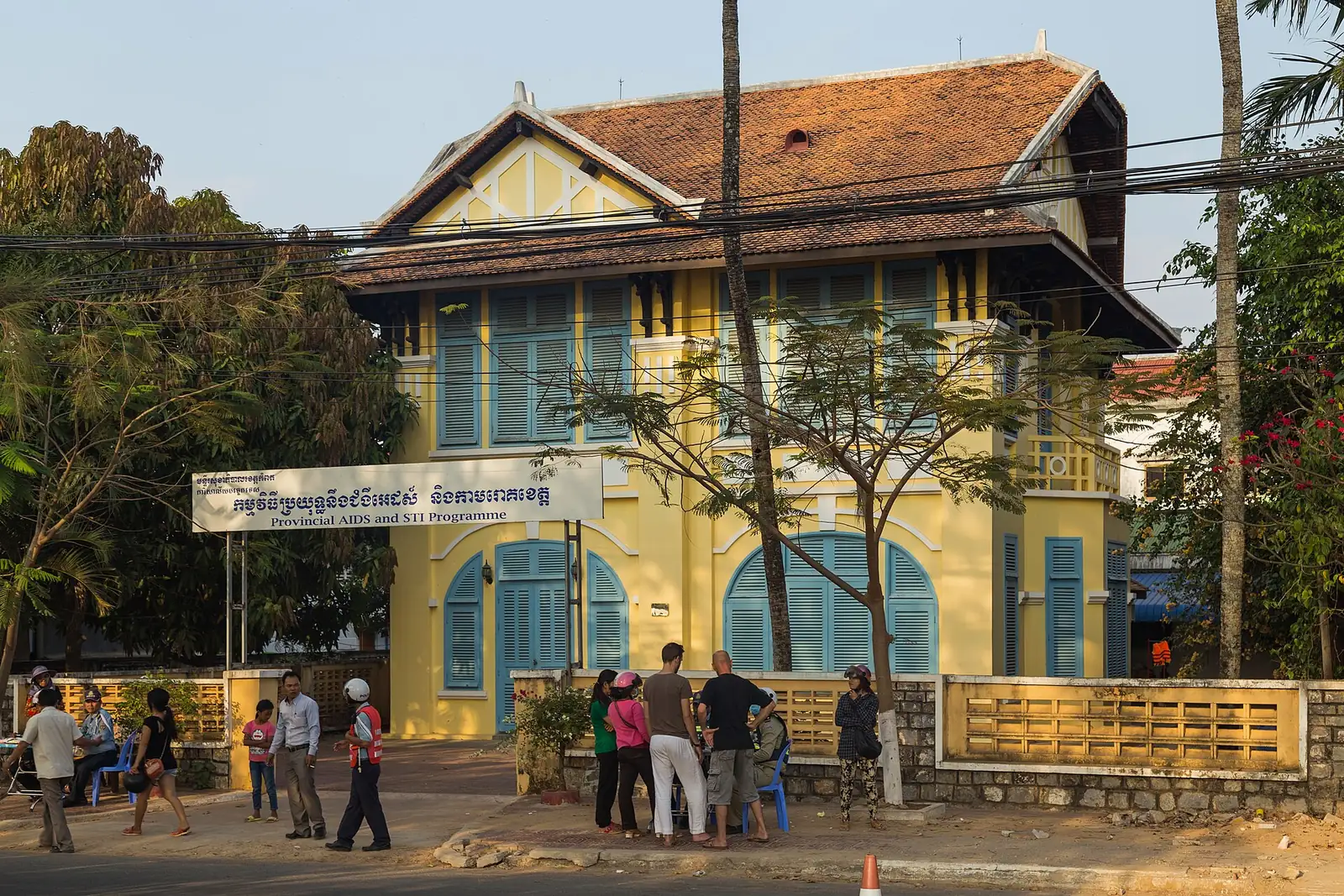
In the late 19th century Kampot became part of French Indochina. The colonial legacy is still visible in the old town, where French-era buildings stand beside Khmer architecture. The mix is much of what gives the centre its look.
What to see and do
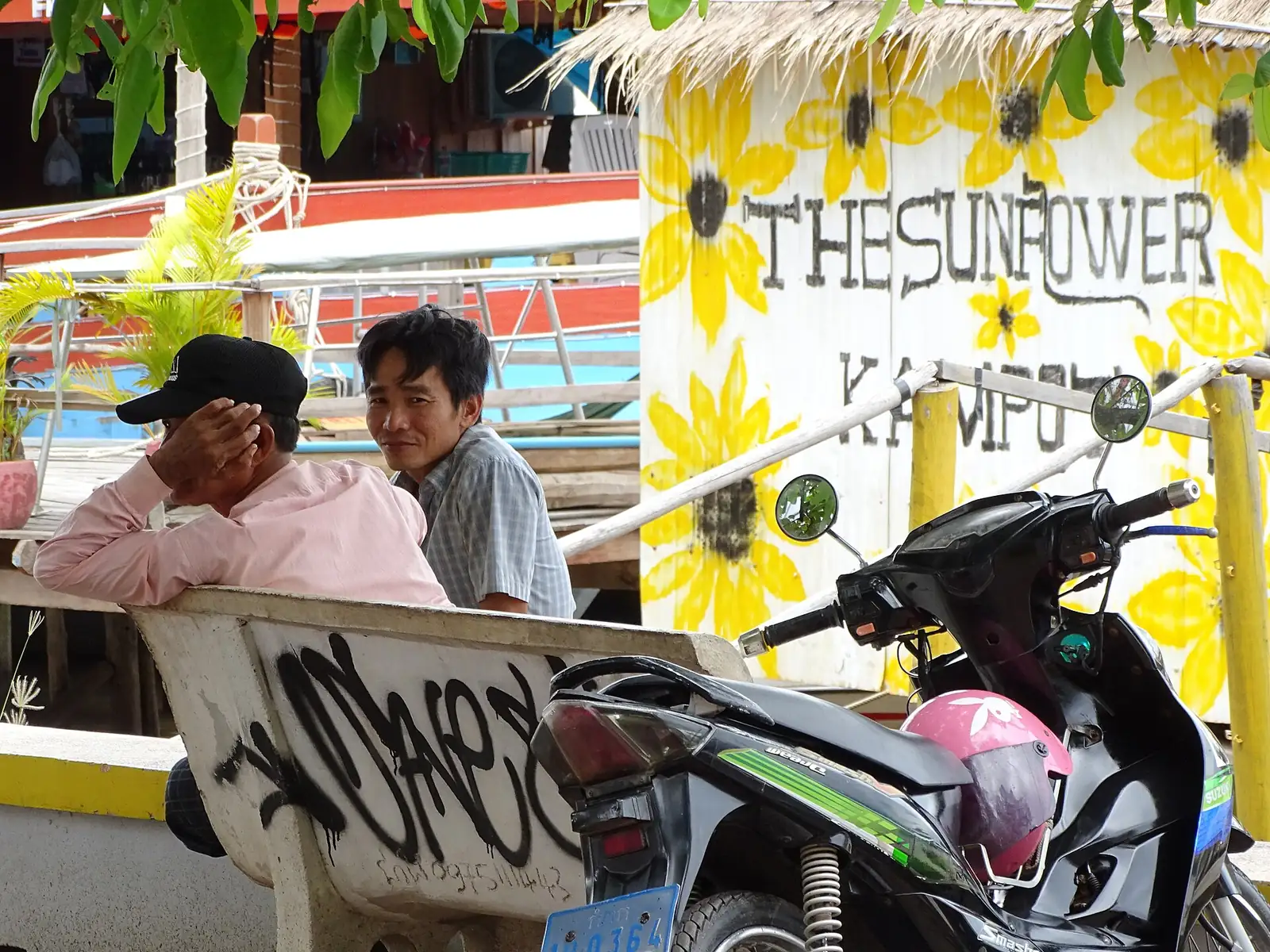
Much of the pleasure is in simply wandering. You will pass fishing boats on the river, locals shopping at traditional markets where you can try local food, and colonial facades with a century or more of wear on them.
Beyond the walking, the surrounding area has several things worth a half day each:
- The salt fields outside town
- The Kamchay dam
- A firefly cruise on the river after dark
- The provincial museum and the town's pagoda
- Beach areas, including the river beach
Where to sleep and eat
Accommodation covers most budgets: luxury resorts, boutique hotels and simple homestays. Staying near the river keeps you close to the walking route and the evening food options.
For eating, the town has a lively local food scene, from market stalls to dedicated food streets. Browse the dining options once you know which part of town you will be based in.
Bokor and Kep
Two outings come up in almost every Kampot itinerary. Bokor is a mountain plateau west of town, popular for its views over the coast. Kep, a short trip along the coast, is known as a seaside destination and makes an easy day out from Kampot.
Both are straightforward to reach from town, and many guesthouses can help arrange transport.
Sleep and eat
A few addresses from our accommodation and restaurant pages.
 Daung Te ResortDaung Te Resort is a rural stay in Teuk Chhou district, 6.3 km from the centre of Kampot. It combines rooms and...
 Kampot View Boutique HotelA small hotel on the banks of the Kampot River, with an outdoor pool and its own restaurant. It suits travellers who...
 La Java Bleue Hotel CaféLa Java Bleue combines a 19-room hotel with an all-day cafe, close to the middle of Kampot town. It suits travellers...
 Les ManguiersLes Manguiers is a low-key resort run by Jean Yves and Sophea, set in the green countryside around Kampot. Rooms are...
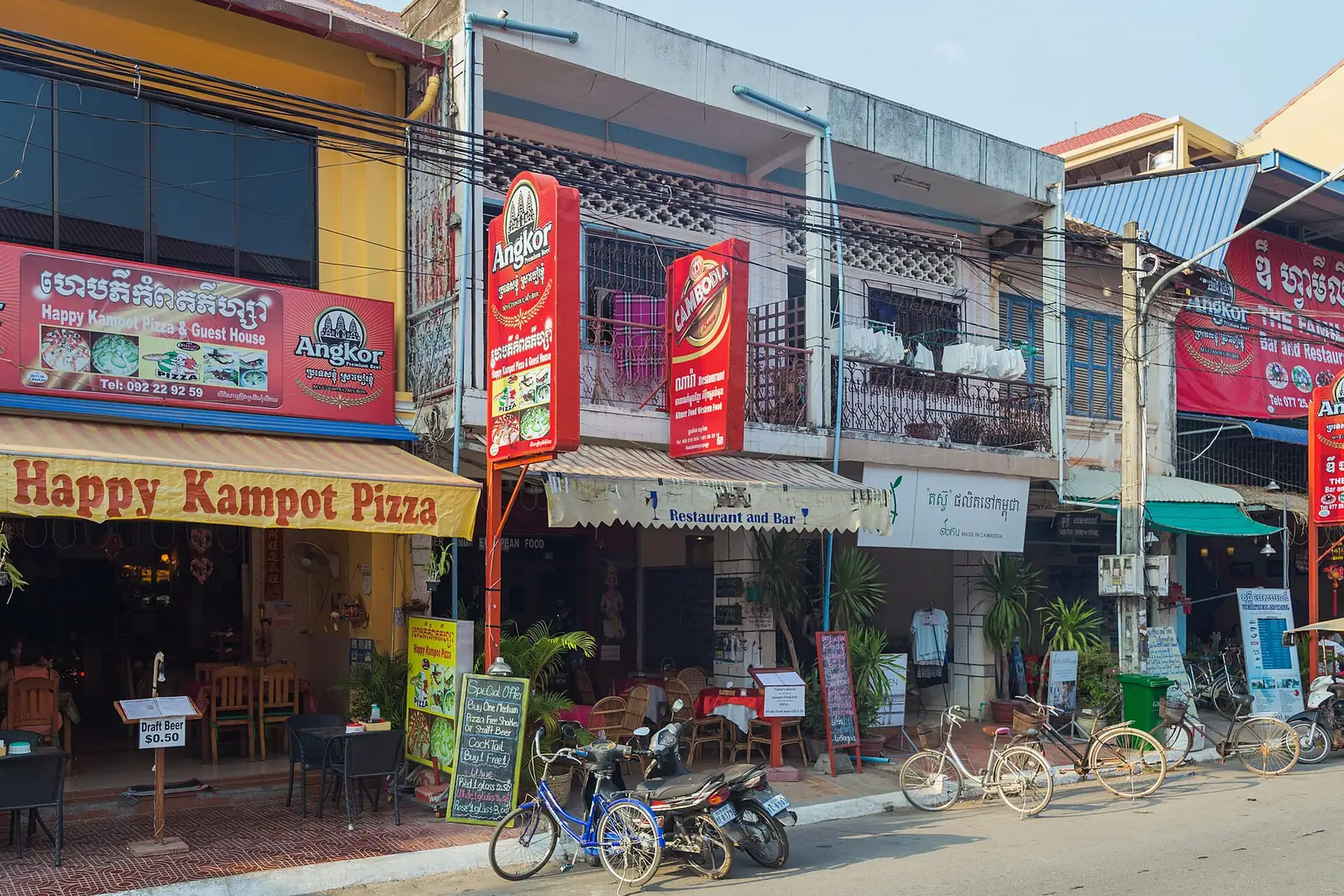 Pheng Pheng RestaurantPheng Pheng is a Khmer restaurant in Kampot town, serving classics like fish amok, stir-fries and curries. It is a...
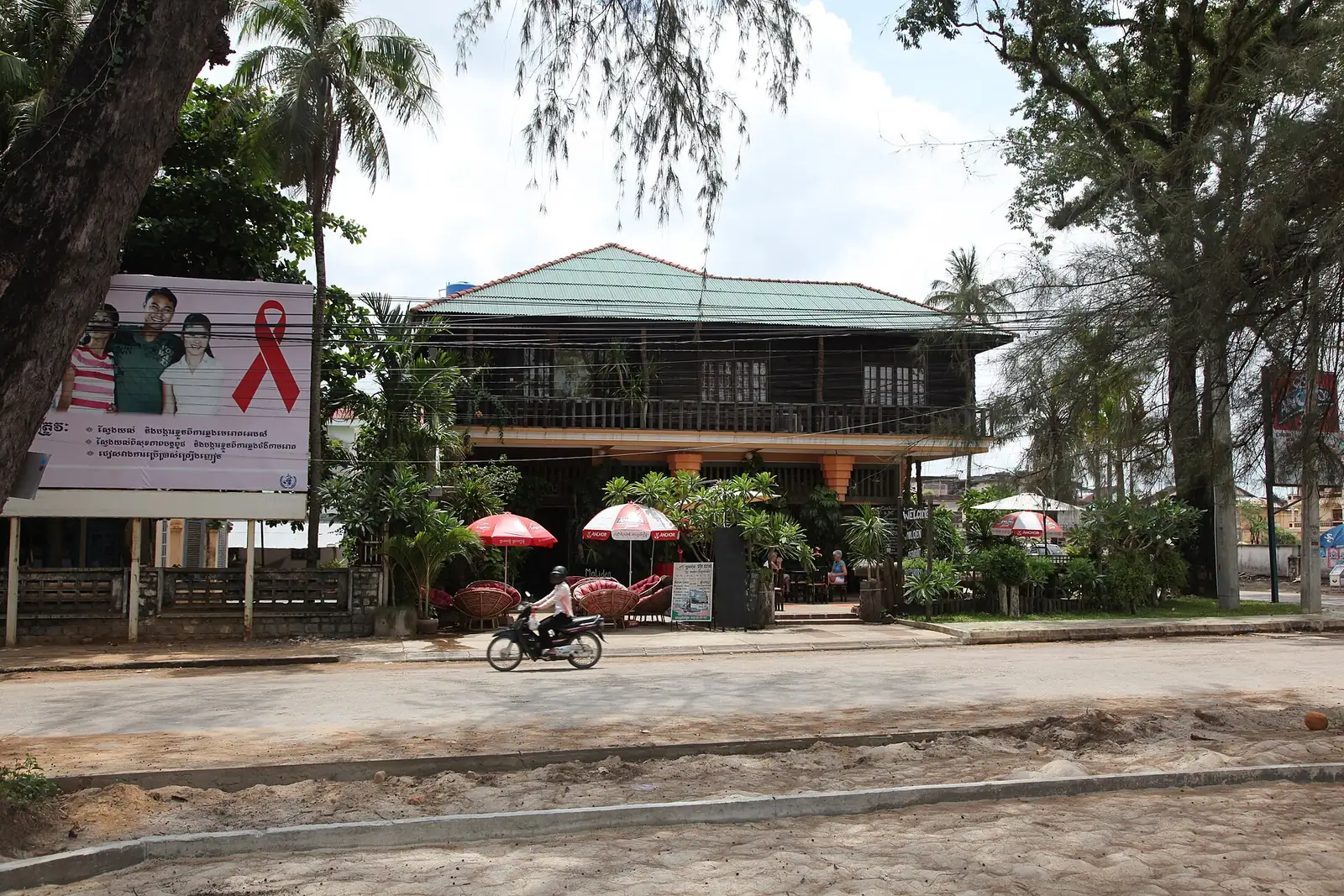 Ecran Noodle & DumplingsA garden restaurant in Kampot known for hand-pulled noodles and dumplings, running since 2012. It has a good choice...
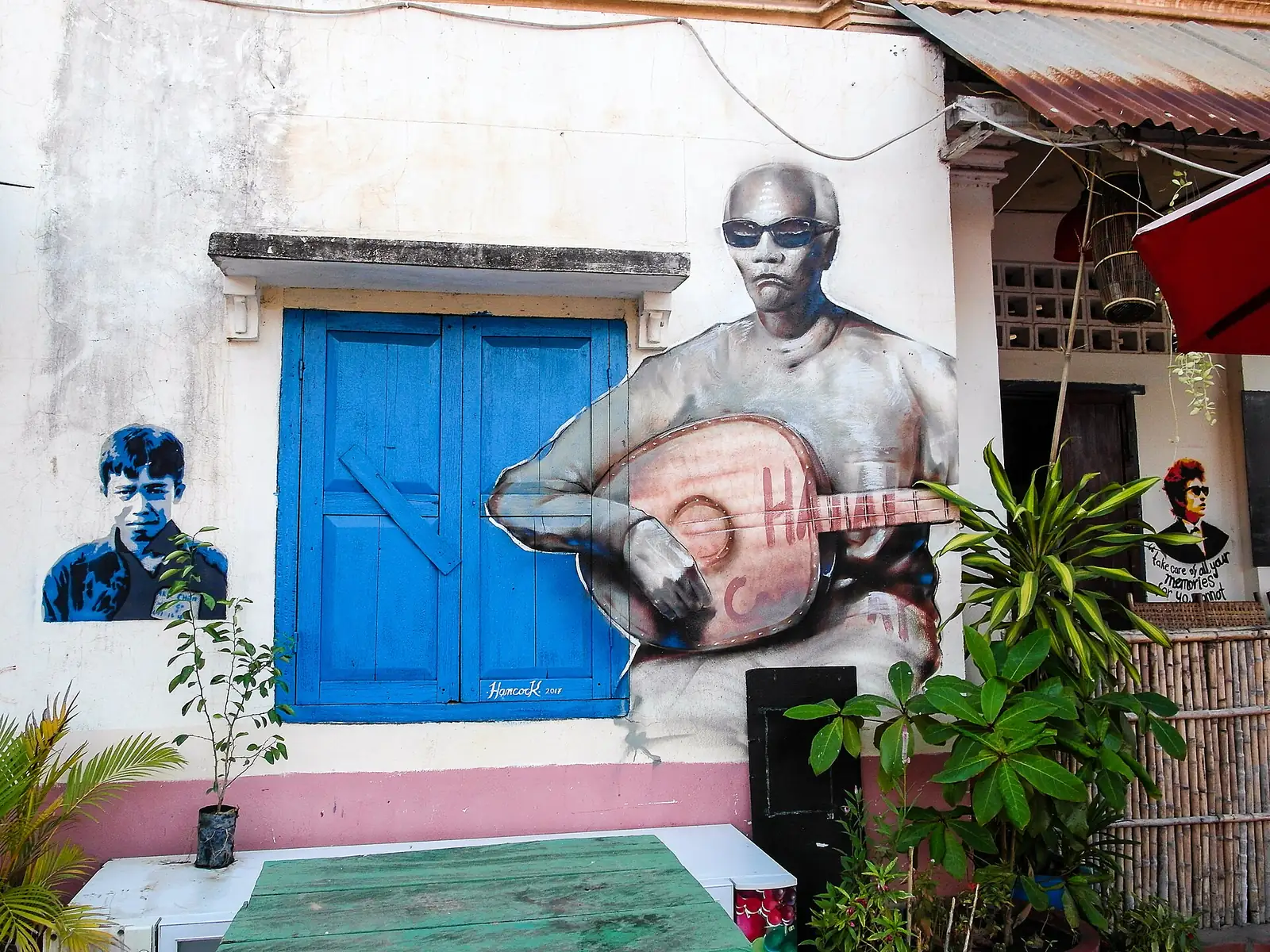 Twenty ThreeTwenty Three serves modern European and international dishes in a small, intimate dining room on East Street, in the...
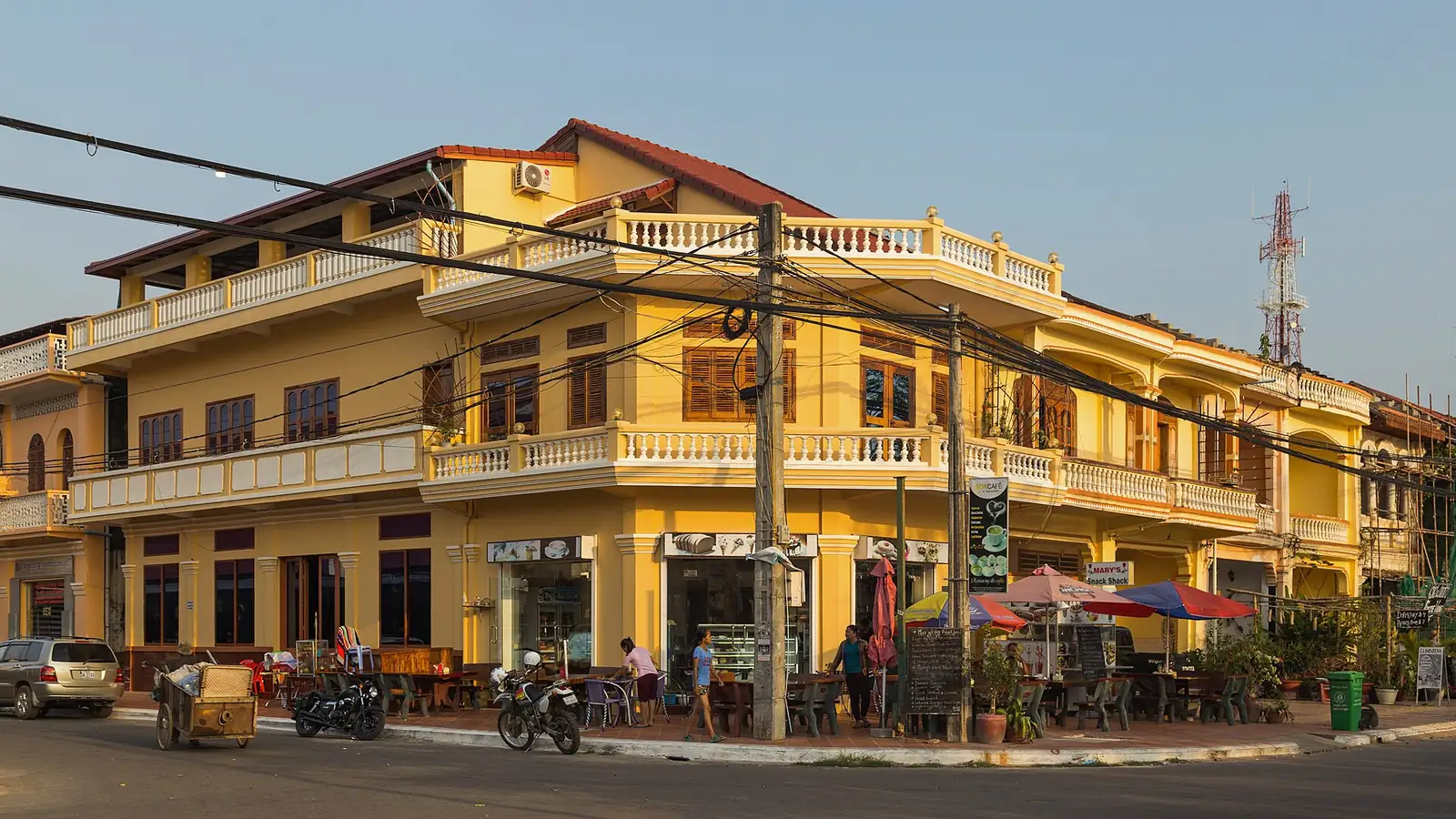 TertúliaTertúlia is a Kampot restaurant run by two Portuguese expats. The menu mixes traditional dishes from Portugal with...