What the building is
The station dates from the French colonial period, the early 1900s, and sits in the centre of Kampot. It was built as a transport and trade link, tying the town to other parts of Cambodia and to neighbouring countries.
The architecture is the main draw. The old guide describes a red roof over white walls, a look typical of the colonial era, and it is easy to see why people come just to photograph it.
From abandonment to restoration
Trains once came and went here on a regular schedule. After the Khmer Rouge regime in the 1970s the station fell into disrepair and services stopped. It stood empty for many years before being restored in the early 2000s.
Today it works as a museum and cultural centre. Exhibits cover the history of Cambodia's railways, with displays on local culture and traditions around Kampot. Guided tours are available if you want the background rather than just the facade.
Shops, cafes and events
The renovated station also houses small businesses, including cafes, restaurants and shops, which bring in visitors and local jobs. It is a handy place to pause for a coffee or a meal while you look at the building.
It is a popular photography spot too, and is sometimes used as a backdrop for weddings and other events.
Train travel and fares
The line connecting Kampot to the rest of the country is in place, and plans to bring train services back to the station have been reported. Since the situation can change, confirm current timetables and whether trains actually stop in Kampot before you plan a journey around it.
The Royal Railway of Cambodia's fares, as listed in the previous version of this guide, were roughly:
- Short routes (such as Phnom Penh to Kampot or Sihanoukville): one-way from about $6 for a standard seat, up to about $15 for a VIP seat.
- Longer routes (such as Phnom Penh to Battambang or Poipet): one-way from about $8 standard, up to about $22 VIP.
- Royal Railway Palace Train, the luxury service: one-way tickets up to about $200.
VIP seats are described as roomier and more comfortable, with air conditioning and other extras, which matters more on the longer, multi-hour routes. Treat all prices as approximate and check them at booking.
Visiting tips
- The station is in the town centre, so it is easy to combine with a walk around Kampot.
- Ask about a guided tour if you are interested in the history of the railway.
- Check ahead for events such as weddings, which can affect how much of the site you can see.
Questions people ask
When was Kampot Railway Station built?
It was built during the French colonial period, in the early 1900s.
What happened to the station after the Khmer Rouge era?
It fell into disrepair in the 1970s and train services were discontinued. It stayed abandoned for many years until it was restored in the early 2000s.
What can you do at the station today?
You can see exhibits on Cambodian railway history and local culture, take a guided tour, photograph the colonial architecture, and visit the cafes, restaurants and shops in the building.
How much does a Royal Railway ticket cost?
According to the earlier guide, short routes start around $6 for a standard seat and go up to about $15 for VIP. Longer routes run from about $8 to $22, and the Palace Train costs up to $200. Check current prices before booking.
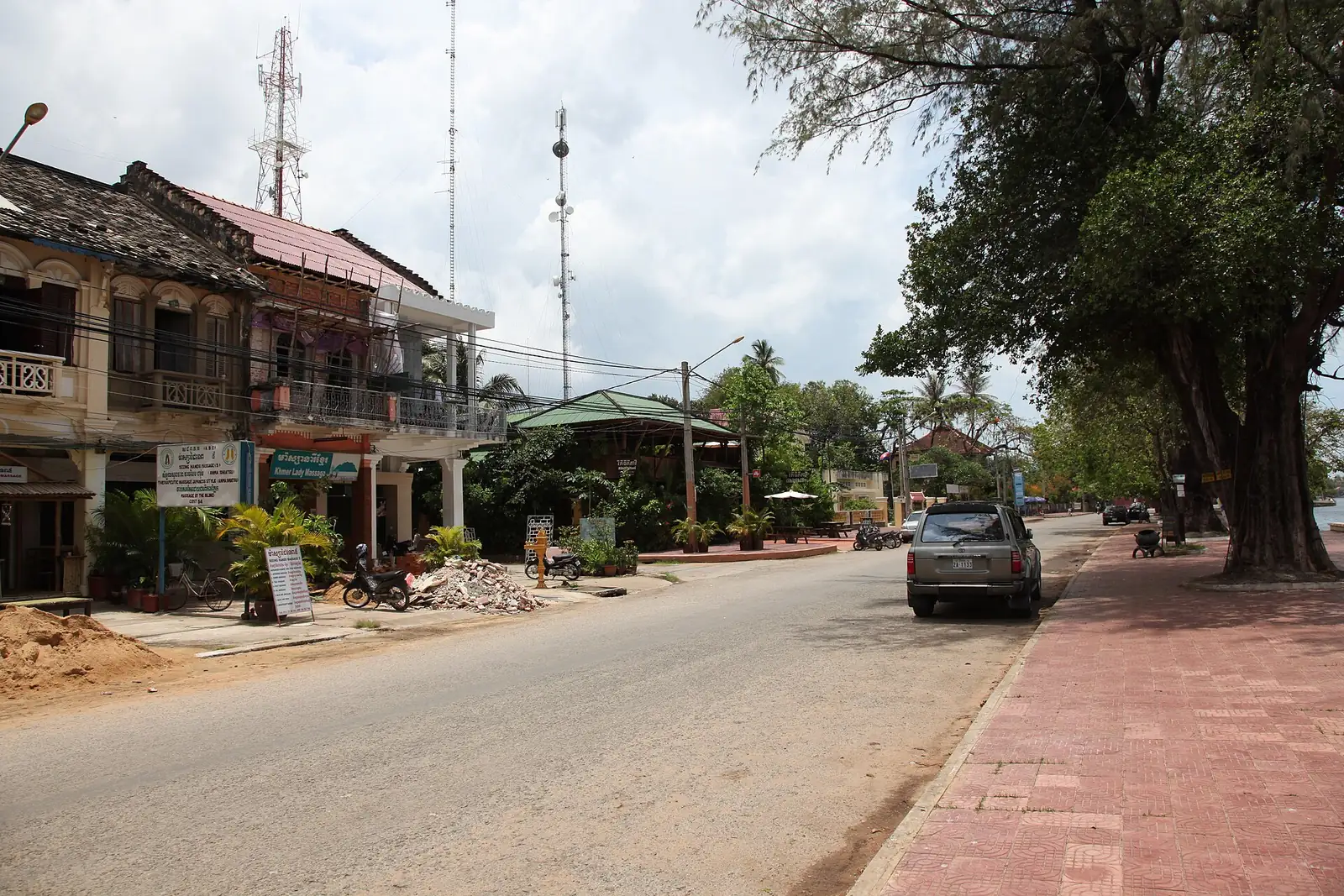 Tela Gas Station
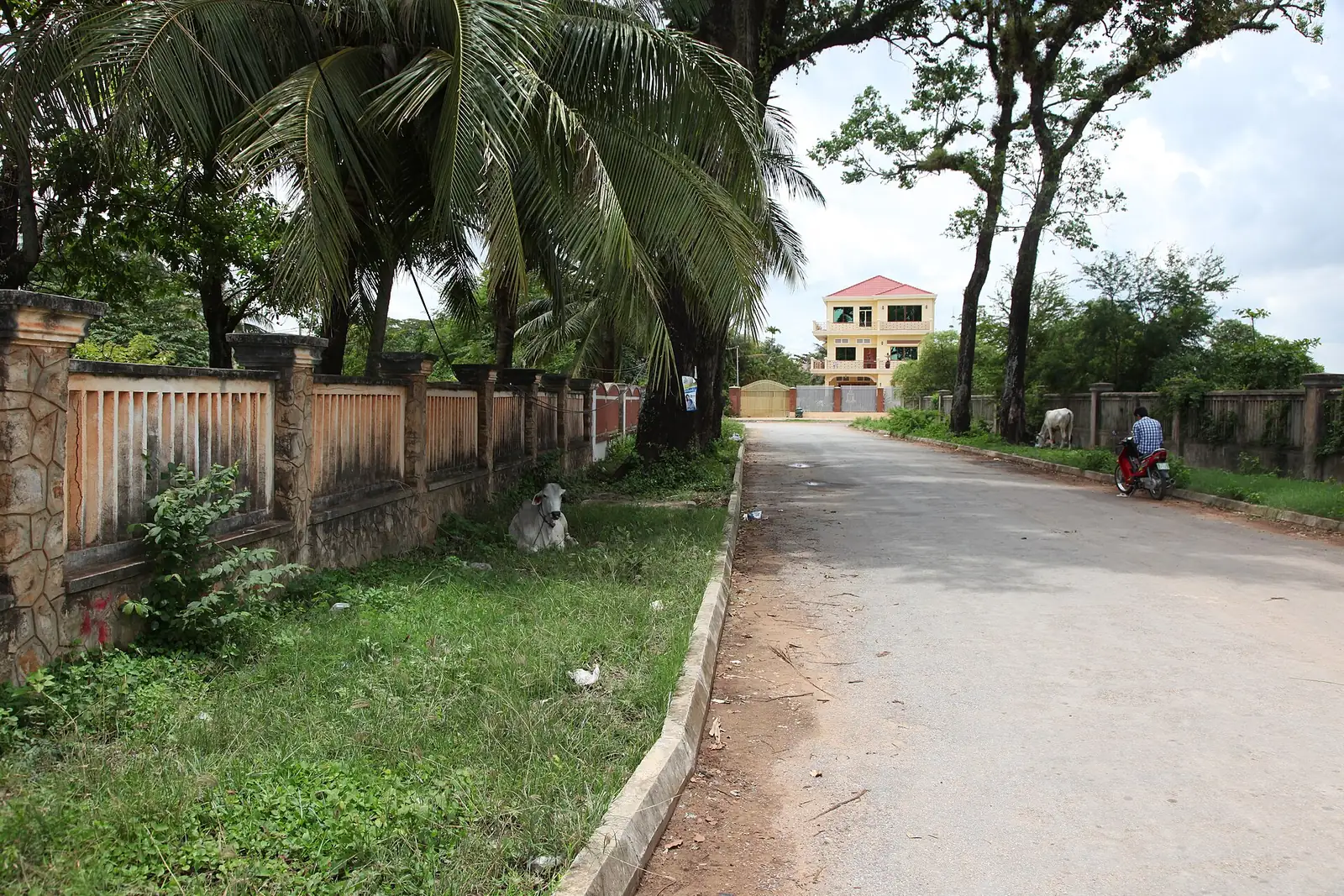 Caltex Gas Station in Kampot
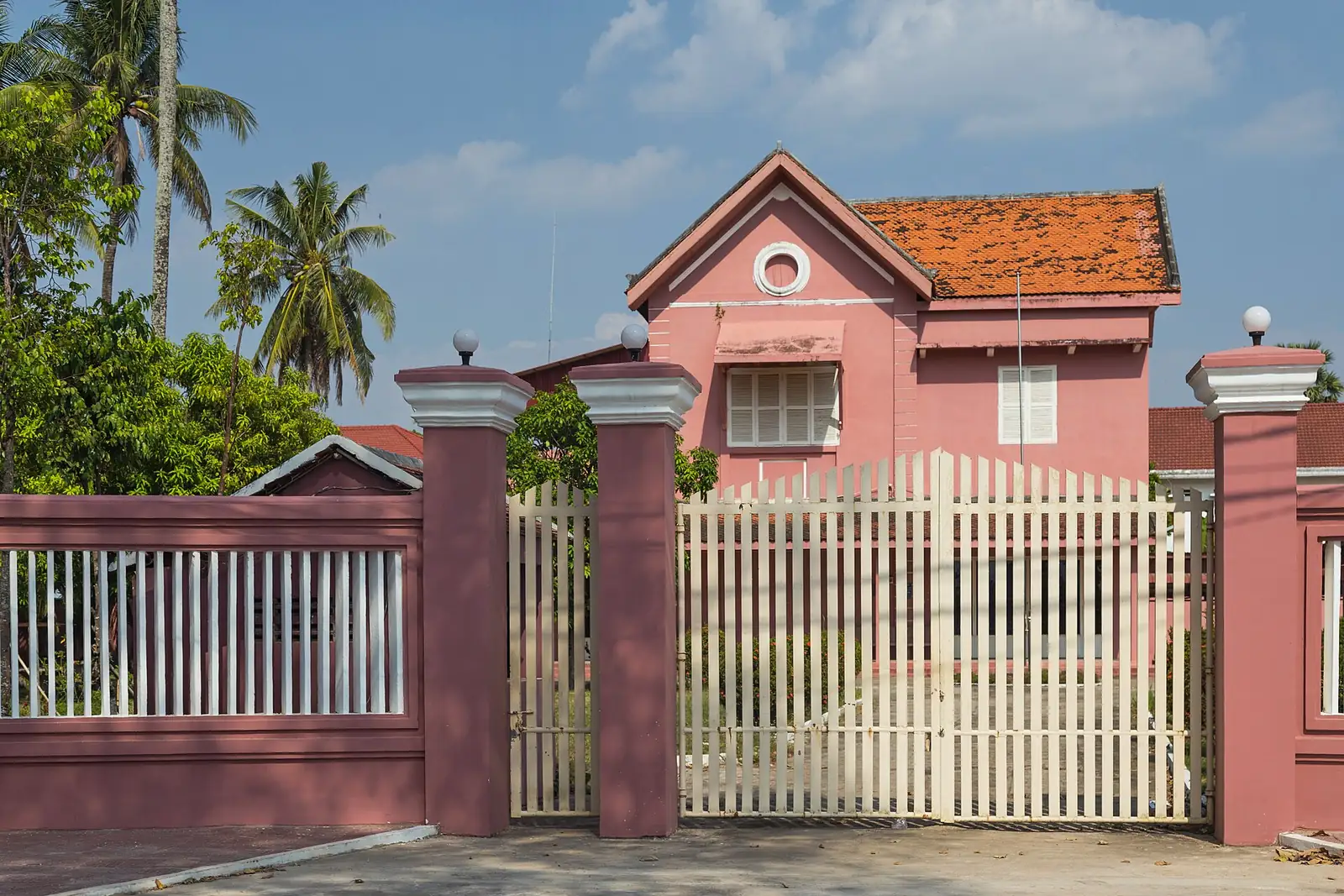 Western Union in Kampot
 MekongNet internet service in Kampot