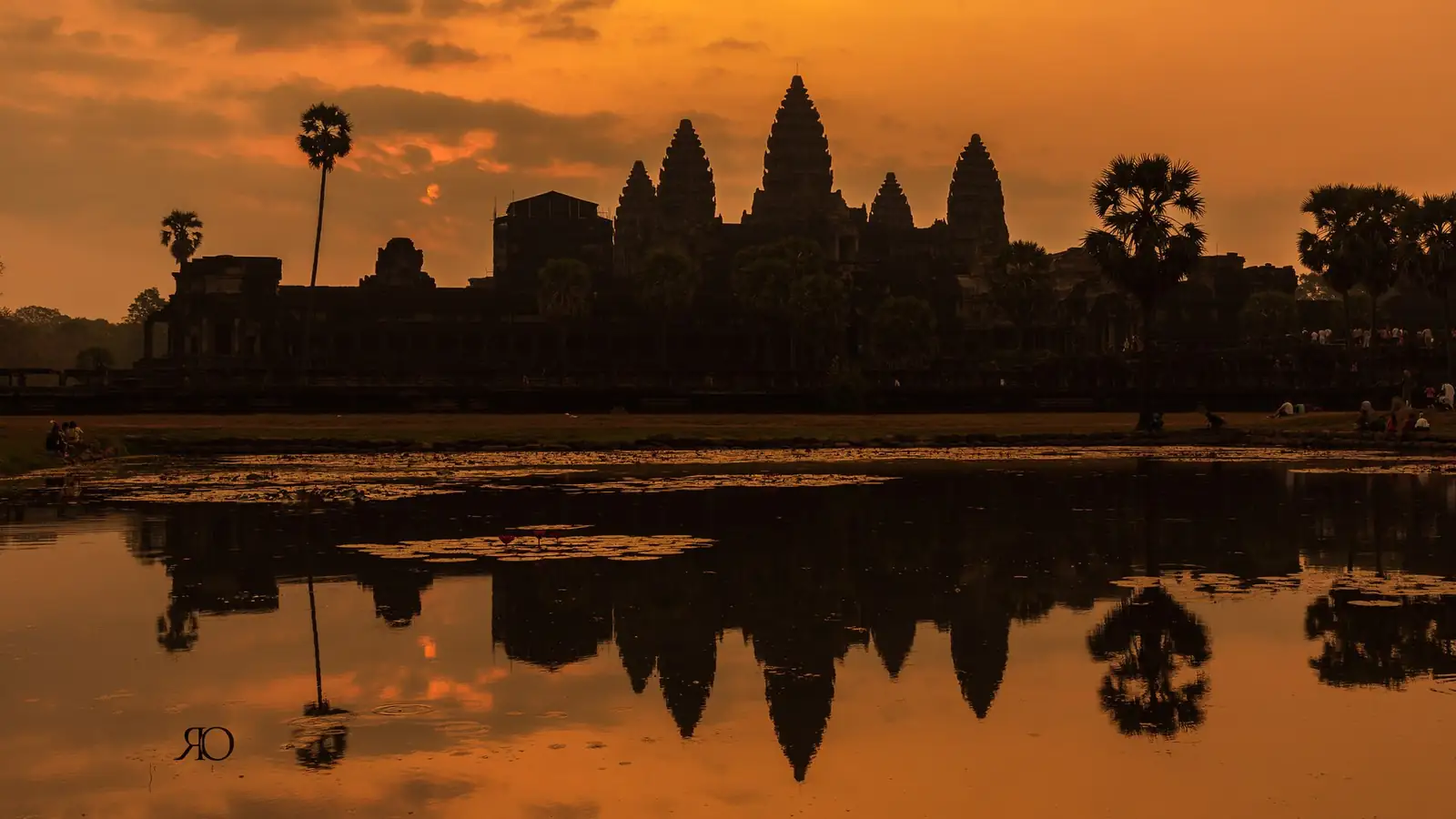
Where Cambodia sits and how it is governed
Cambodia shares land borders with Thailand, Laos and Vietnam and has a coastline on the Gulf of Thailand. More than 15 million people live here. The country is a constitutional monarchy with a democratic system of government, and the current king is Norodom Sihamoni.
It is also regarded as one of the faster-growing economies in Southeast Asia, after decades of rebuilding infrastructure following the 1970s.
A short history
The earliest known civilisation in the area was the Funan Kingdom, active between the 1st and 6th centuries AD. Funan had a writing system, long-distance trade links and substantial architecture.
From the 9th century the Khmer Empire took over, and it left the temples and monuments the country is known for. The best known is Angkor Wat, a huge temple complex built in the 12th century and now a UNESCO World Heritage Site.
France made Cambodia a protectorate in the 19th century and ruled until independence in 1953. Then came the darkest period. The Khmer Rouge, a radical communist movement, held power from 1975 to 1979, and an estimated 1.5 to 2 million people were killed in its campaign of genocide and terror. Since the regime fell, Cambodia has rebuilt its roads, services and economy, and tourism has grown into a major industry.
People, religion and festivals
The population includes Khmer, Cham, Chinese and Vietnamese communities. Khmer people are the largest group and are associated with elaborate festivals, traditional music and dance.
Most Cambodians practise Theravada Buddhism, and it shows up everywhere: in temple architecture and in the daily routines of ordinary people.
The Water Festival is one of the biggest events of the year. It is held in November, marks the end of the rainy season, and brings crowds out for boat races, music, and traditional food and drink.
What to eat
Khmer cooking blends influences from Thailand, Vietnam and China. Rice is the staple, and fresh herbs and spices are used heavily.
- Amok: a creamy curry of fish or chicken with coconut milk, herbs and spices.
- Lok lak: a stir-fry of beef or chicken with vegetables and a tangy sauce.
- Street food: fried noodles, grilled meats, fresh fruit and sweet desserts.
Where visitors go
- Angkor Wat: the country's most famous landmark and a UNESCO World Heritage Site.
- Phnom Penh: the capital, with museums, markets and historic sites including the Royal Palace and the Killing Fields.
- Siem Reap: the base for Angkor, known for nightlife, street food and outdoor activities.
- Sihanoukville: a coastal city popular with beachgoers, with resorts and water sports.
- Kampot: a good choice if you want a more relaxed pace.
Cambodia is still a developing country. Expect some poor infrastructure and the occasional safety concern, and plan with a bit of margin.
Public holidays
Some holidays follow the lunar calendar, so their exact dates shift from year to year.
- International New Year's Day: January 1
- Victory Day over Genocide: January 7
- Chinese New Year: varies, usually January or February
- International Women's Day: March 8
- Khmer New Year: April 13-15
- Labor Day: May 1
- King Norodom Sihamoni's Birthday: May 14
- Royal Ploughing Ceremony: varies, usually May
- Queen Mother's Birthday: June 18
- Constitution Day: September 24
- Pchum Ben (Ancestors' Day): varies, usually September or October
- Independence Day: November 9
- Water Festival: varies, usually November
- Christmas Day: December 25
Questions people ask
What is the main religion in Cambodia?
Most of the population practises Theravada Buddhism, which shapes temple architecture and daily life.
When is the Water Festival?
It is held in November, at the end of the rainy season, with boat races, music and traditional food. The exact dates vary each year.
When is Khmer New Year?
Khmer New Year is on April 13-15.
What are the best-known Cambodian dishes?
Amok, a creamy fish or chicken curry with coconut milk, and lok lak, a beef or chicken stir-fry with a tangy sauce, are two of the most popular.
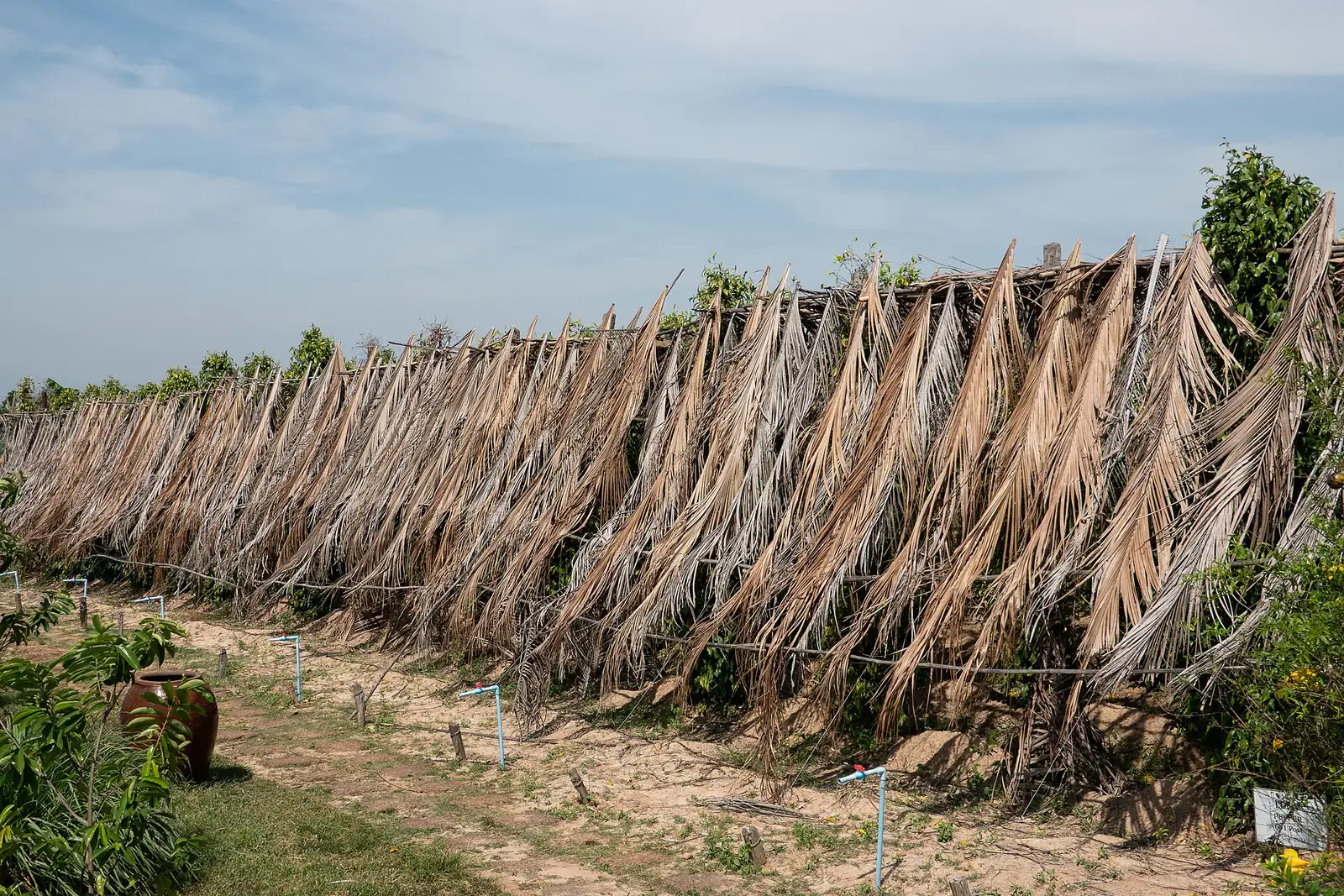 Kampot Pepper
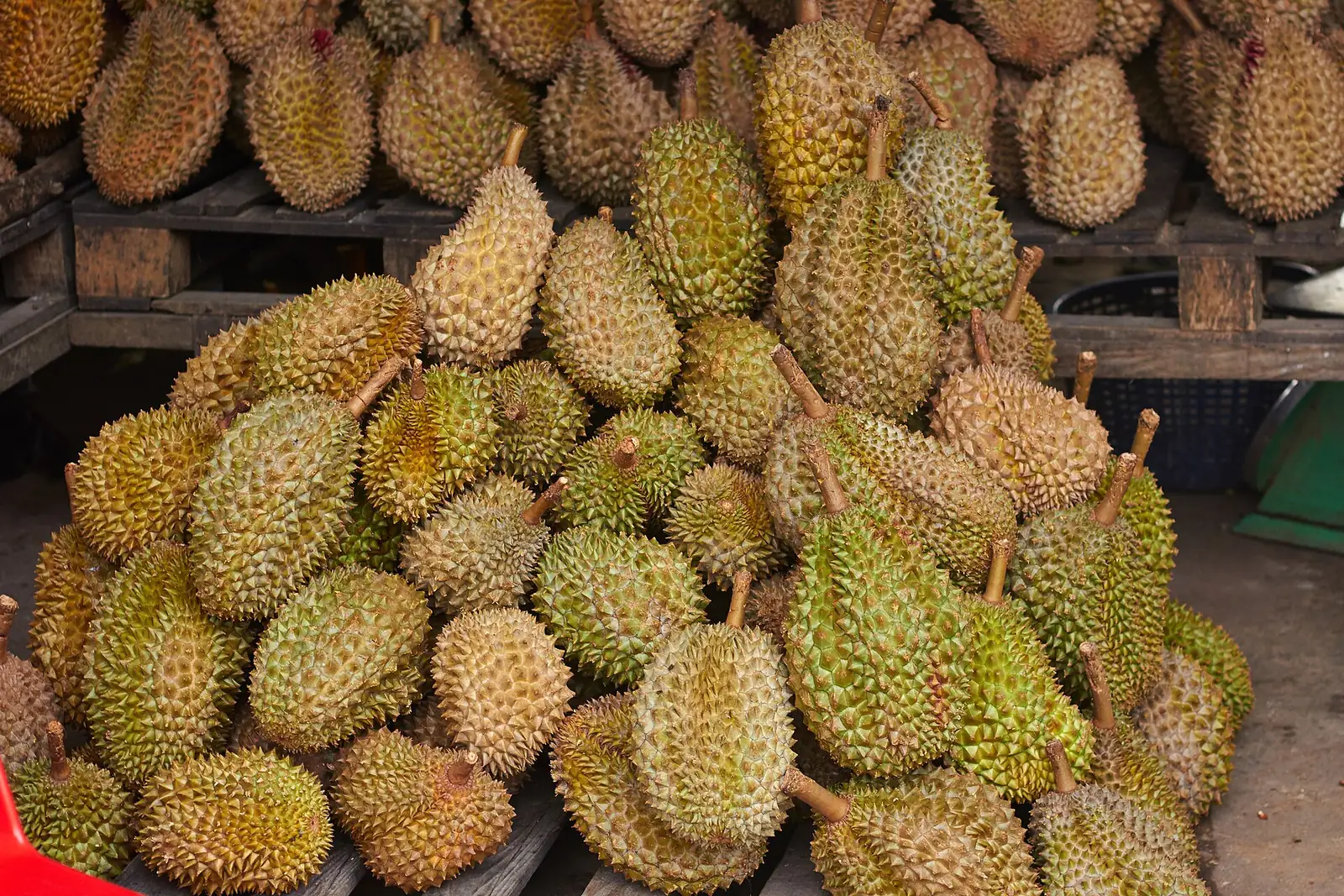 Kampot durian
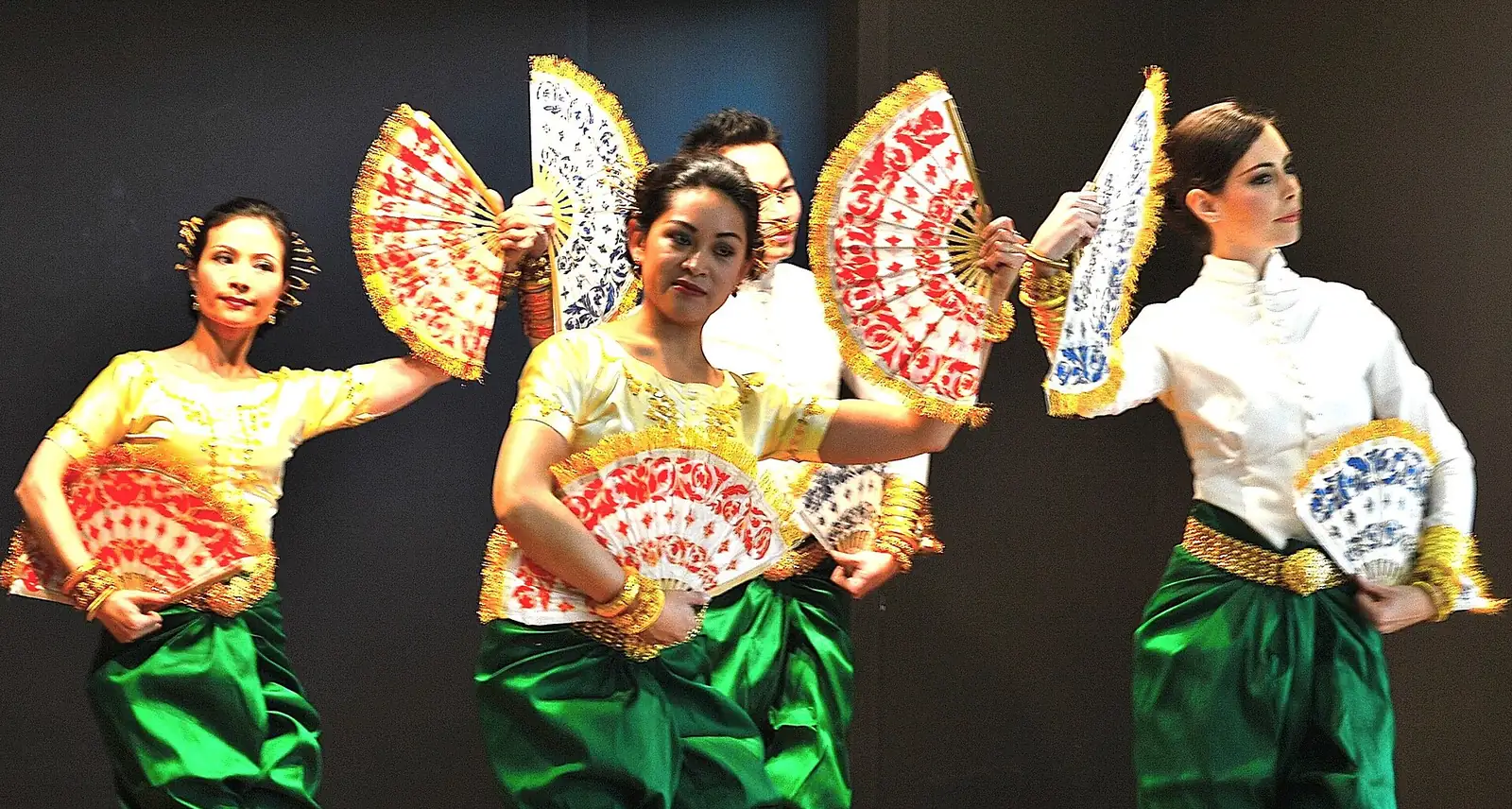 Khmer New Year in Kampot
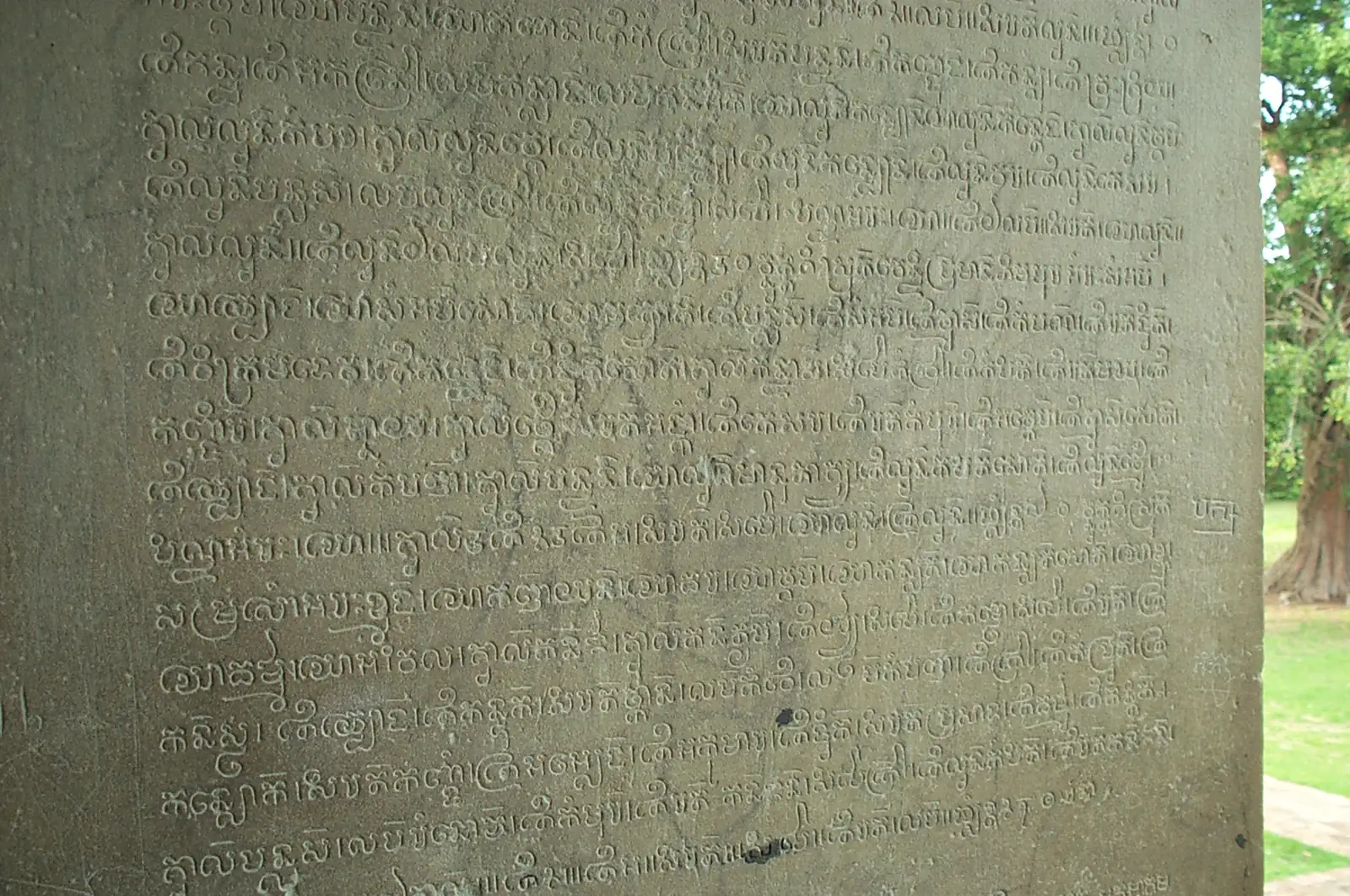 Learning Khmer in Kampot