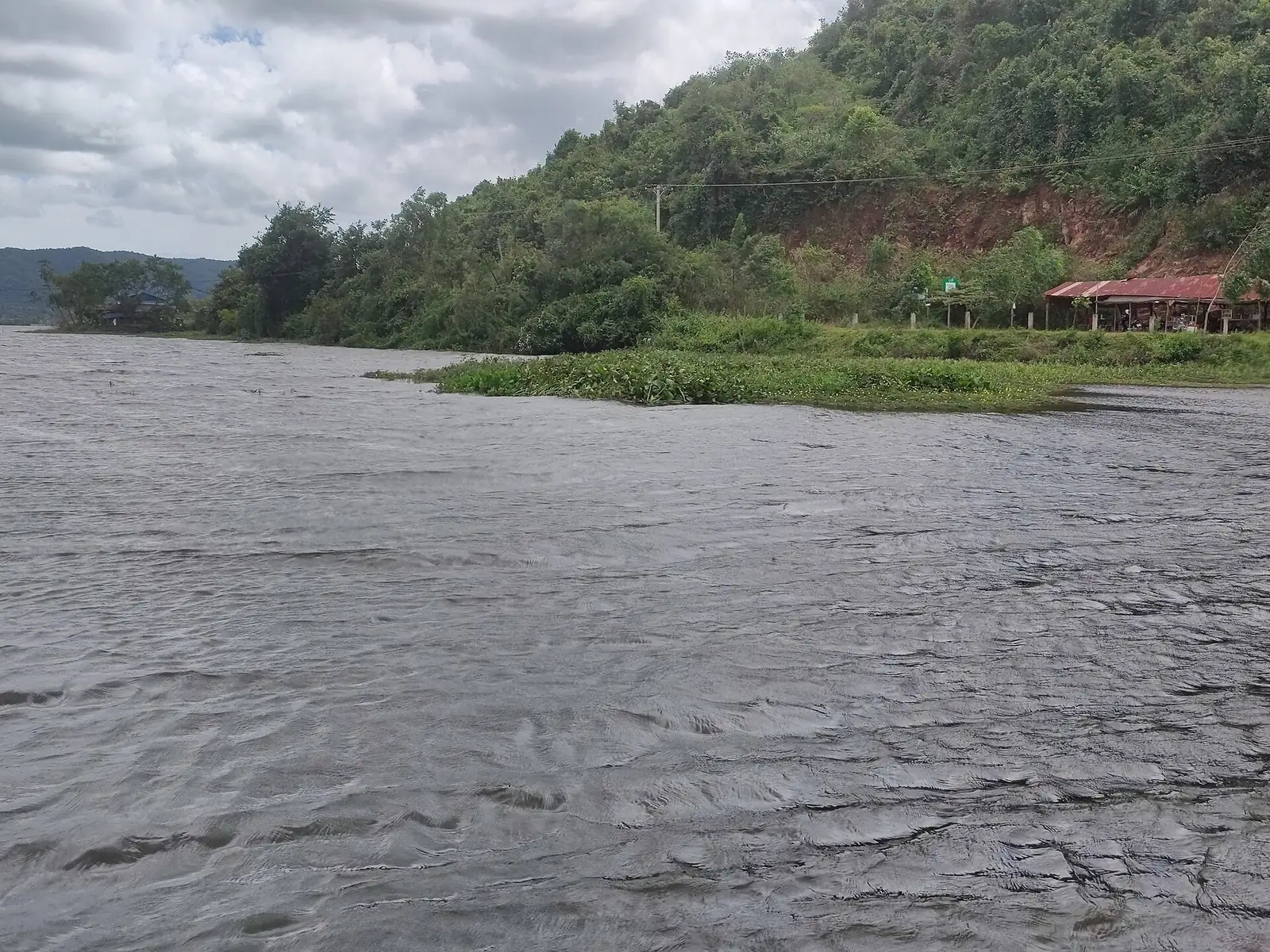
What kind of place Chhouk is
Chhouk District lies in southern Cambodia, within Kampot Province. It is a rural district, not a tourist destination, and there is little here aimed at visitors. Expect villages, fields and local administration rather than guesthouses, tour desks or sights.
If you live in Kampot or are passing through the province, the district is most useful as context: it shows the agricultural side of the province that sits behind the town and the coast.
How people earn a living
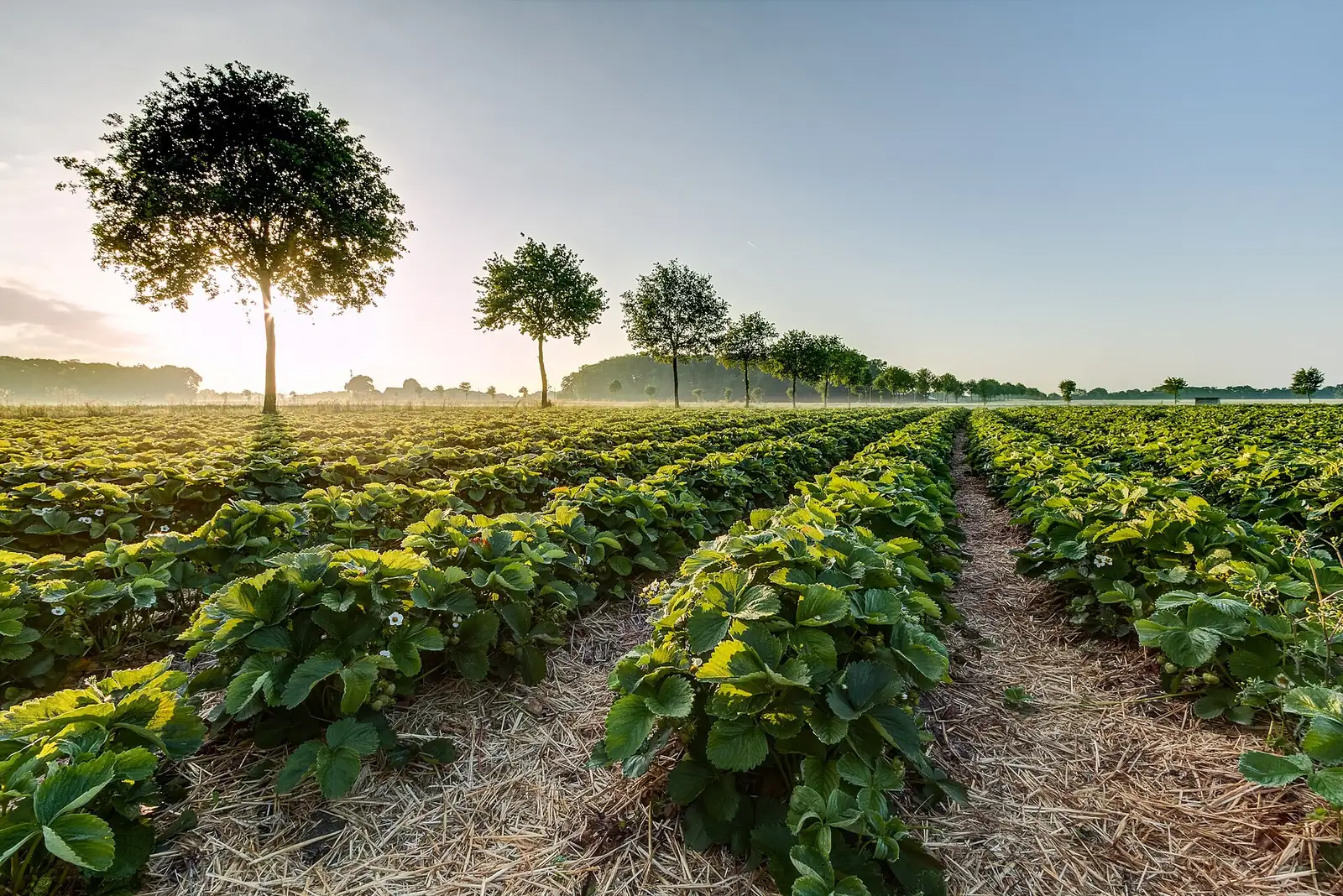
Farming is the main economic activity. The land supports rice and vegetables, grown for local eating and sold into regional trade. Kampot Province is famous for its pepper, and Chhouk shares in the province's farming economy, though the source material does not say how much pepper is grown here, so check locally before assuming.
Tourism is not a focus. The district's closeness to better-known parts of the province may bring some change over time, but for now work follows the seasons and the crops.
Culture and everyday life
Daily life is shaped by Khmer traditions and values. The Khmer script and language remain central to local identity, and community festivals and customs are the main occasions where shared heritage is visible. If you are invited to a local event, it will be a village occasion rather than a staged show, so dress modestly and ask before taking photographs.
Schools and local development
Schools are the key public institutions in the district, and improving access to education is one of the main routes to opportunity for young people here. A better-trained workforce is what the district needs to grow beyond farming into other sectors.
Weather, floods and other pressures
Like the rest of Cambodia, the area follows a wet season and a dry season, and both affect the harvest. Flooding and drought are real threats to crops and household income. Infrastructure is limited, as in many rural districts, and climate change adds to the risk. Development projects are under way to help communities cope.
For visitors, the practical point is timing: roads and fields look very different in the rains than in the dry months, so plan trips with that in mind.
The 14 communes
The district is divided into these communes:
- Baniev
- Boeng Nimol
- Chhuk
- Doun Yay
- Krang Sbov
- Krang Snay
- Lbaeuk
- Mean Chey
- Neareay
- Satr Pong
- Takaen
- Tramaeng
- Trapeang Bei
- Trapeang Phleang
Romanised Khmer spellings vary, so you may see the district written as Chhouk and the commune as Chhuk on maps and signs.
Questions people ask
Is Chhouk District a tourist area?
No. Tourism is not a focal point here, and the district is mainly agricultural.
What is grown in Chhouk District?
Rice and vegetables are the main crops, grown for local consumption and regional trade.
How many communes are in Chhouk District?
There are 14: Baniev, Boeng Nimol, Chhuk, Doun Yay, Krang Sbov, Krang Snay, Lbaeuk, Mean Chey, Neareay, Satr Pong, Takaen, Tramaeng, Trapeang Bei and Trapeang Phleang.
What risks do farmers in Chhouk face?
Flooding and drought threaten crops and livelihoods, and limited infrastructure and climate change add to the pressure.
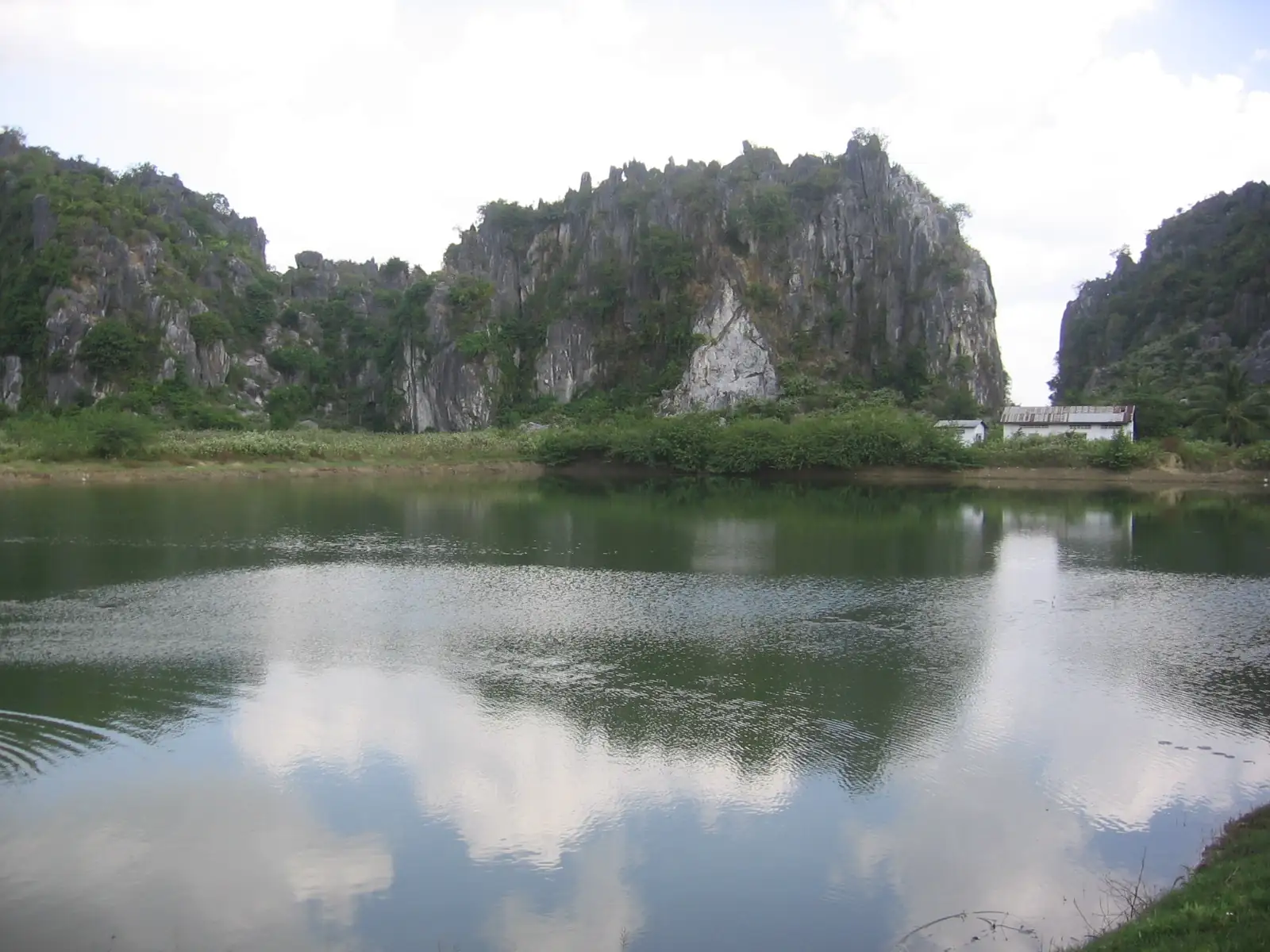 Kampong Trach District
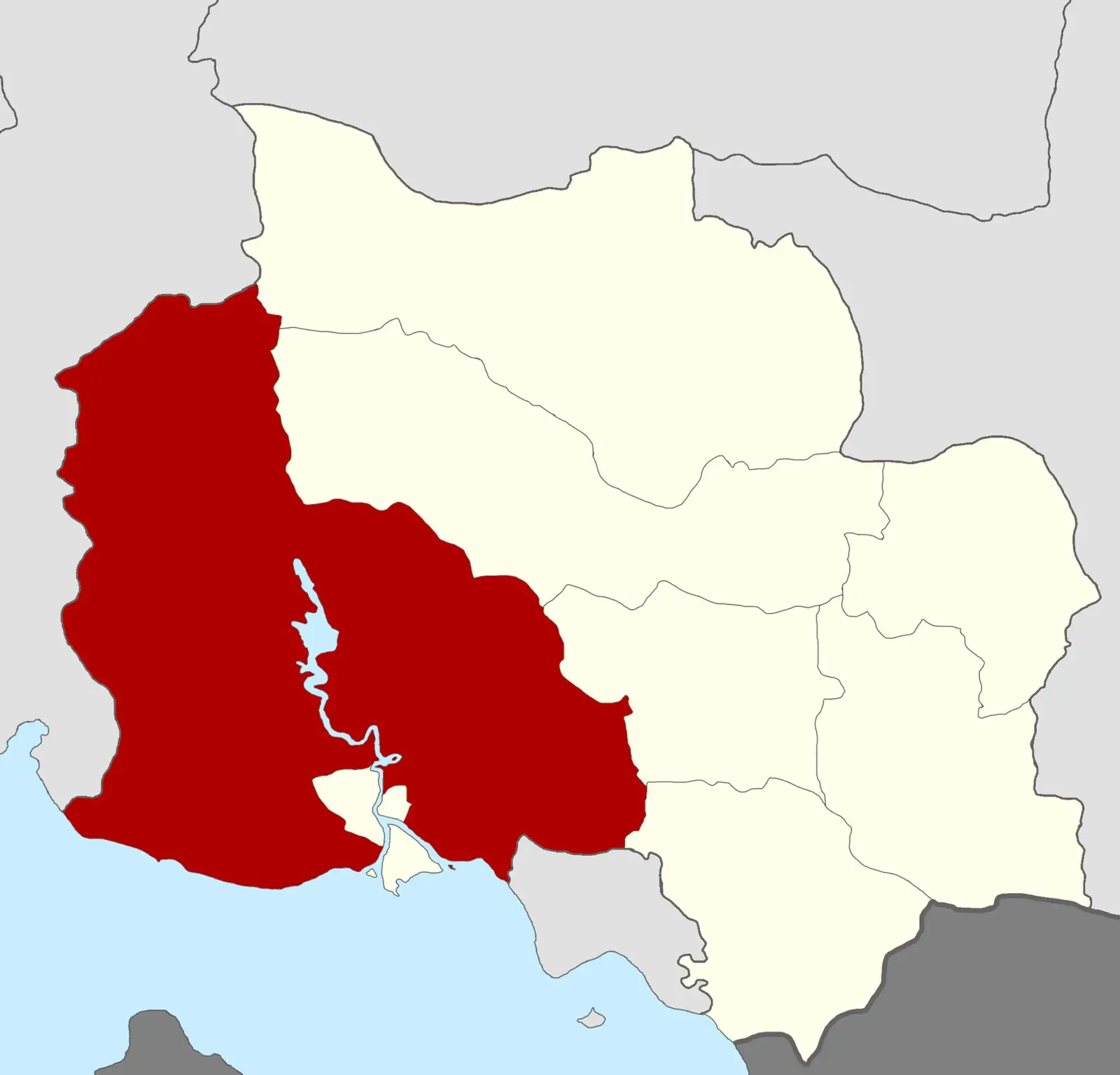 Tuek Chhou District
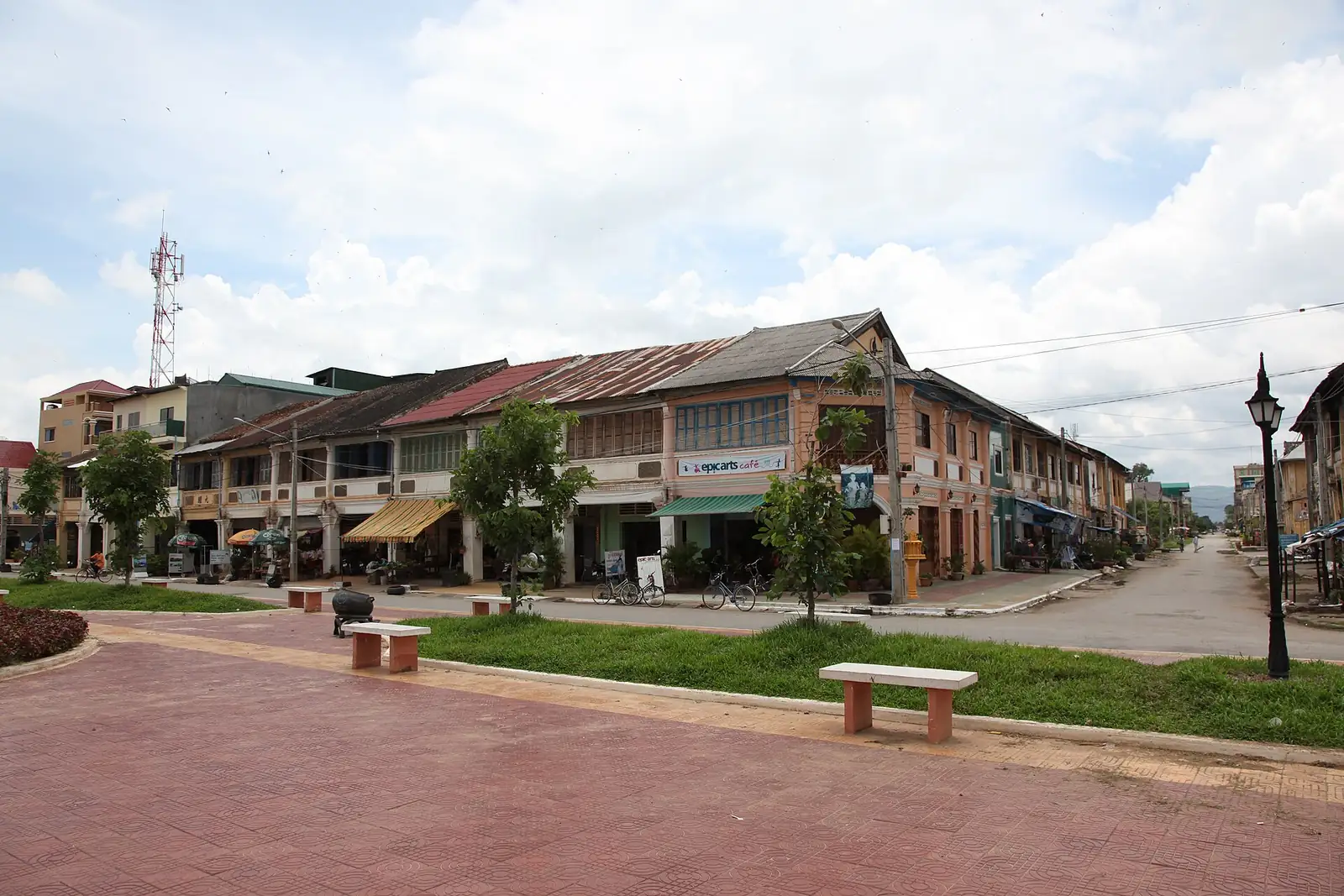 Kampong Bay Commune
 Angkor Chey Commune