The setting
Kampong Bay lies in the south of Cambodia, in the part of the country that runs toward the Vietnamese border. The landscape is a mix of flat fertile plains, winding rivers and low hills. That combination suits farming, and it is also the reason the area appeals to travellers who would rather see countryside than city streets.
Access to water and to the nearby mountains is what shapes local work. Rice and pepper are the two crops most closely tied to the commune's economy.
Who lives here
A large share of the population is Cham, an ethnic group with its own language, religious practice and customs. You can see their influence in local festivals, in the style of some buildings and in the food served in the community.
If you are visiting, the simplest way to learn about this is through the food and the festivals themselves, rather than through a formal tour. Be respectful when entering religious sites and dress modestly.
Farming and livelihoods
- Rice: paddies spread across the countryside around the commune.
- Rubber: plantations add to the area's agricultural output.
- Pepper: Kampot pepper has a strong reputation and is exported abroad.
Farmers here deal with the effects of climate change and with swings in market prices. The response has been to blend long-standing methods with newer techniques, so that families can keep earning from the land.
What visitors come for
Kampong Bay suits people looking for everyday Cambodian life rather than a packaged attraction. Eco-tourists are drawn by the natural features around the commune, including waterfalls, hot springs and small villages where traditional ways of living continue.
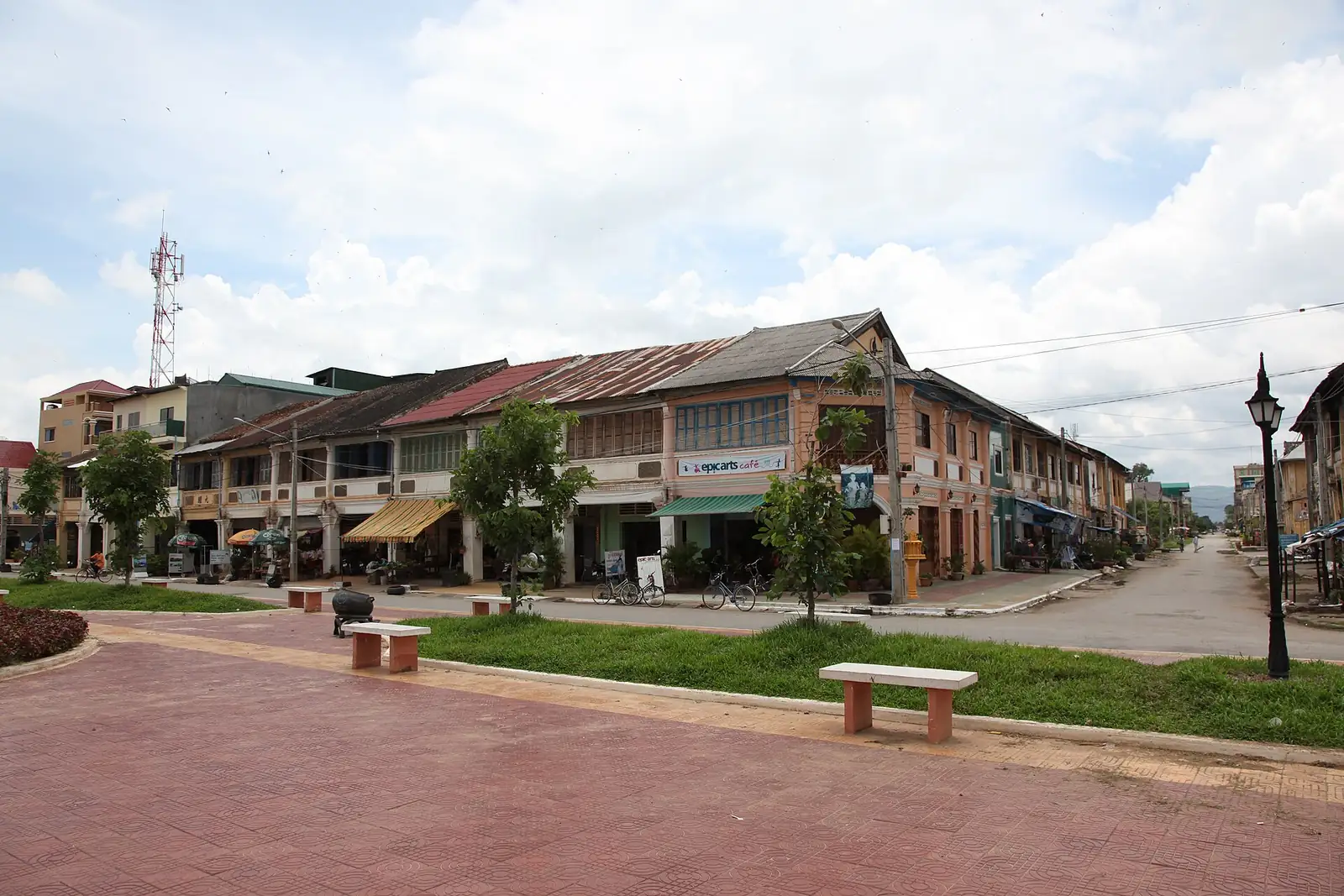
It also works as a starting point for exploring Kampot's older buildings, among them its French colonial architecture. Combining a day in the villages with a walk through the colonial streets gives a fuller picture of the area.
Recent changes
In recent years the commune has seen work on infrastructure and a push toward more sustainable tourism. Eco-friendly accommodation and community-based projects are the main examples. The stated aim is to bring income to local people while protecting the environment.
If you plan to stay, choosing community-run or locally owned options is a practical way to put money where it helps most.
Questions people ask
What is Kampong Bay known for?
Its farming, especially rice and pepper, its sizeable Cham community, and its countryside of rivers, plains and hills.
Is Kampong Bay good for eco-tourism?
Yes. Visitors come for waterfalls, hot springs and traditional villages, and eco-friendly accommodation and community projects have been developing in recent years.
Can I see colonial architecture from Kampong Bay?
The commune is a gateway to Kampot's historical sites, which include French colonial buildings.
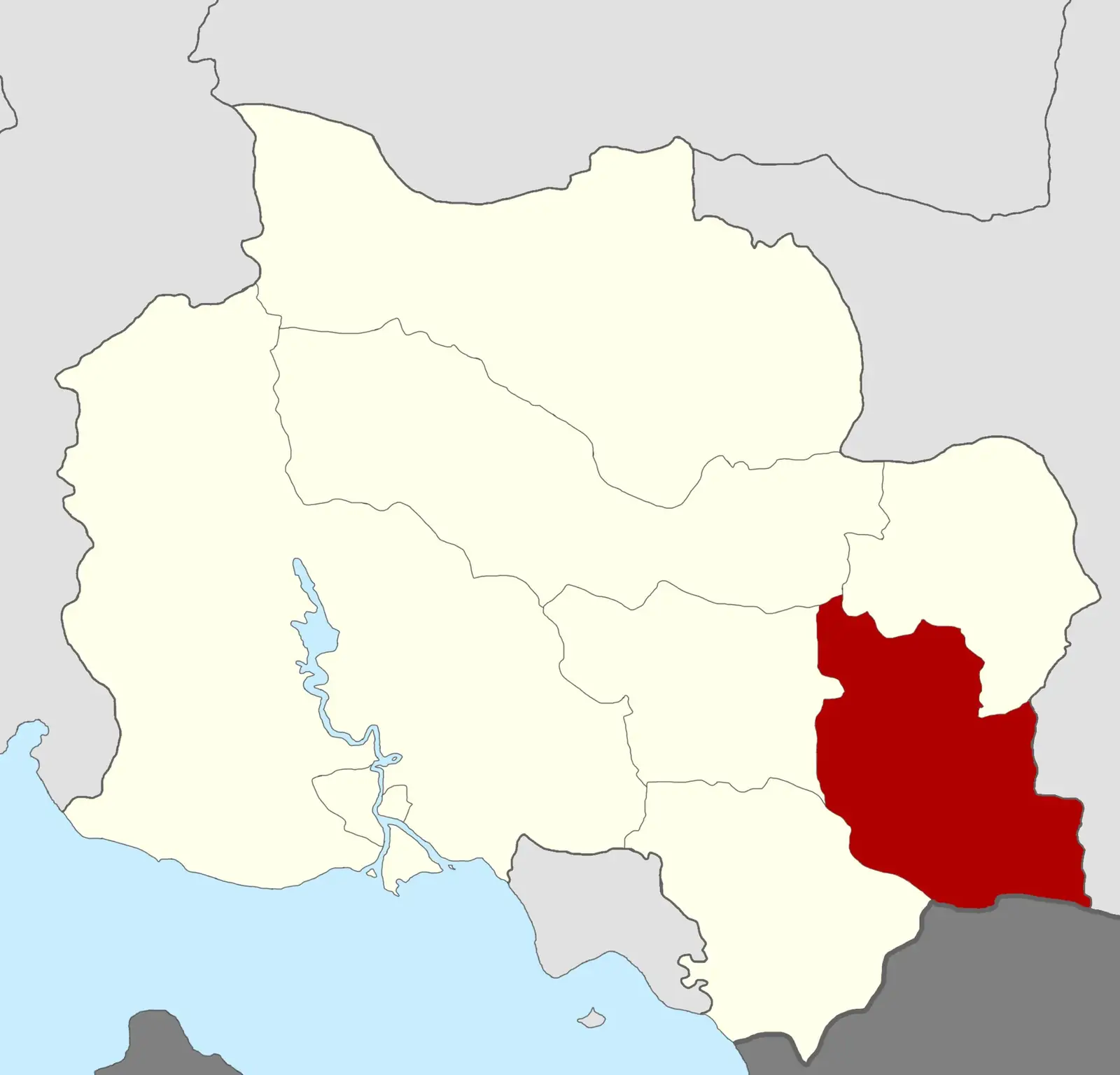 Banteay Meas District
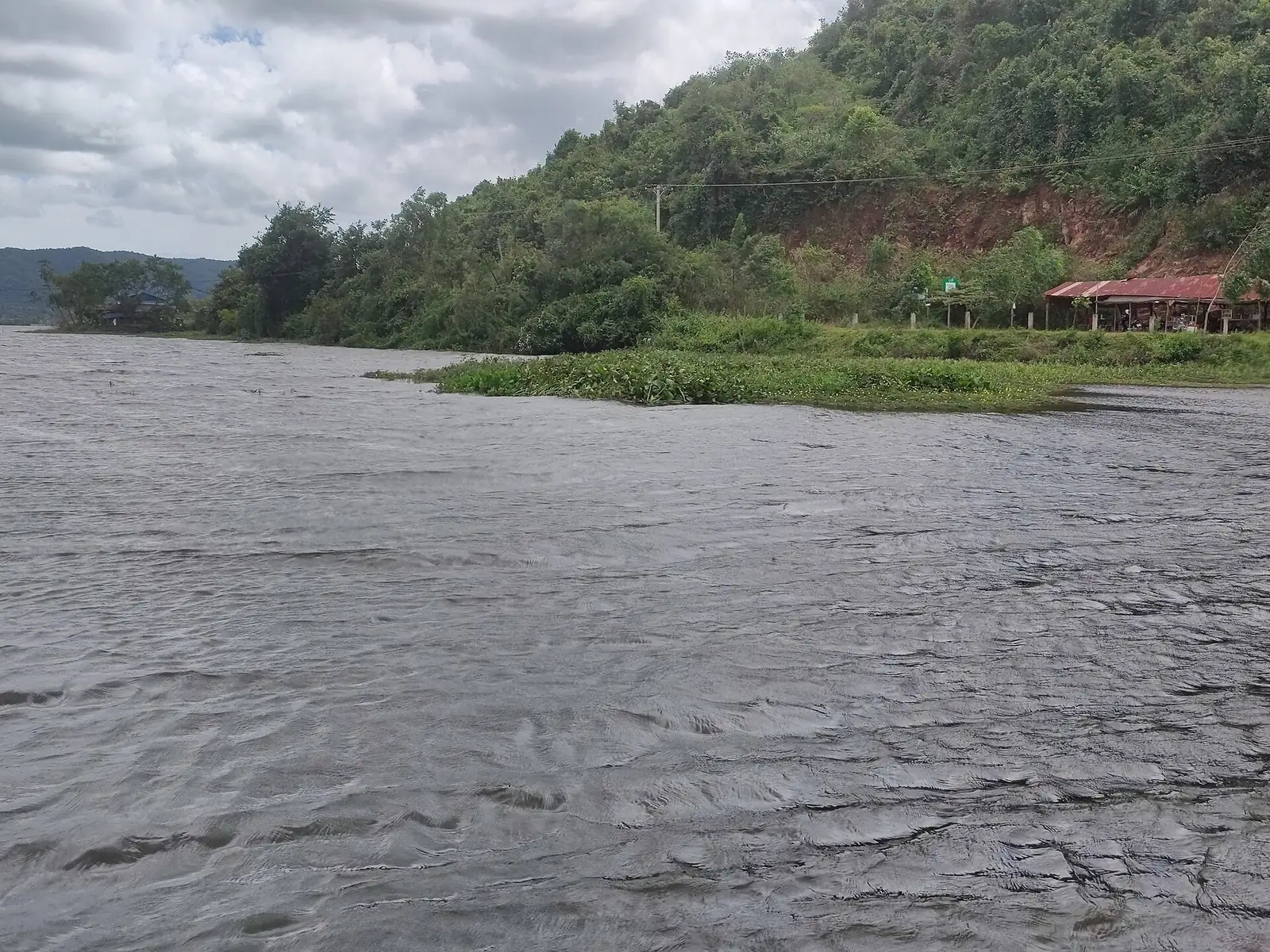 Chhouk District
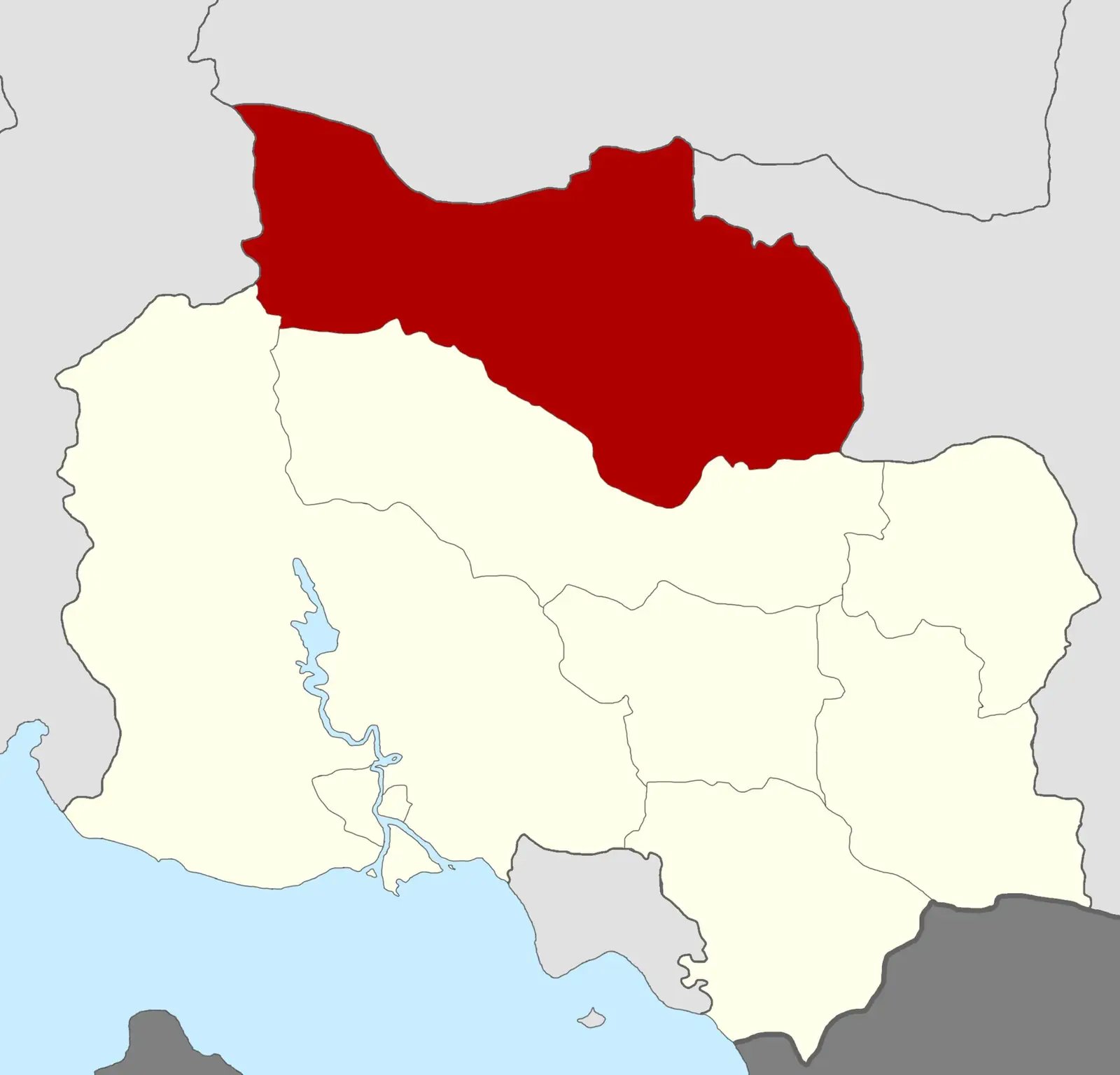 Chum Kiri District
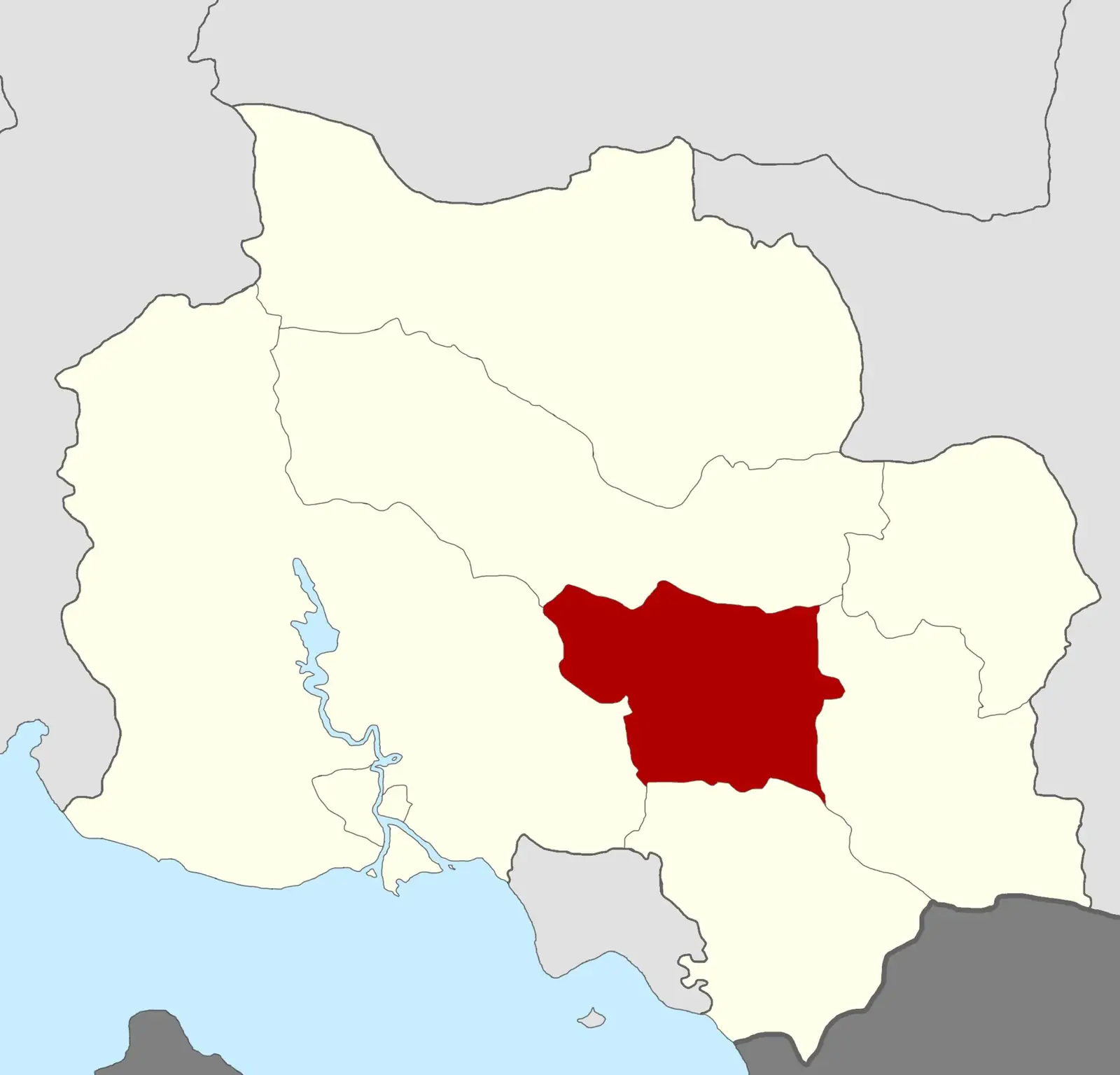 Dang Tong District