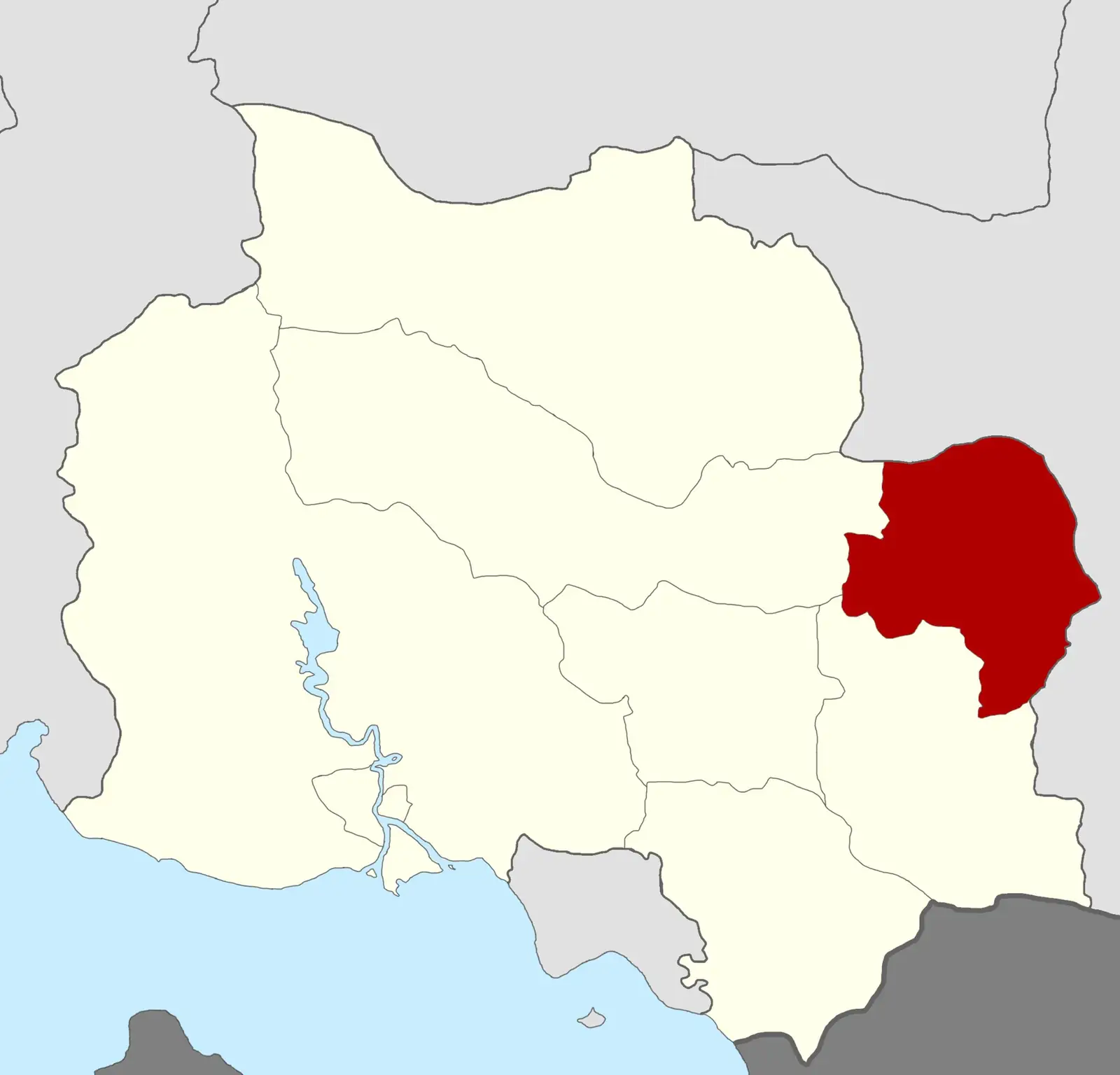
What Angkor Chey is
Angkor Chey is an administrative district inside Kampot Province in southern Cambodia. It is divided into eleven communes, the smallest local government units in the country. Most travellers pass through Kampot town and the riverfront without ever hearing of it, and tourism here is still undeveloped.
The name is a Khmer one and has a grand ring to it, but there is little documented detail about the district's own history. Treat it as a working rural area rather than a heritage site.
The land and the people who work it
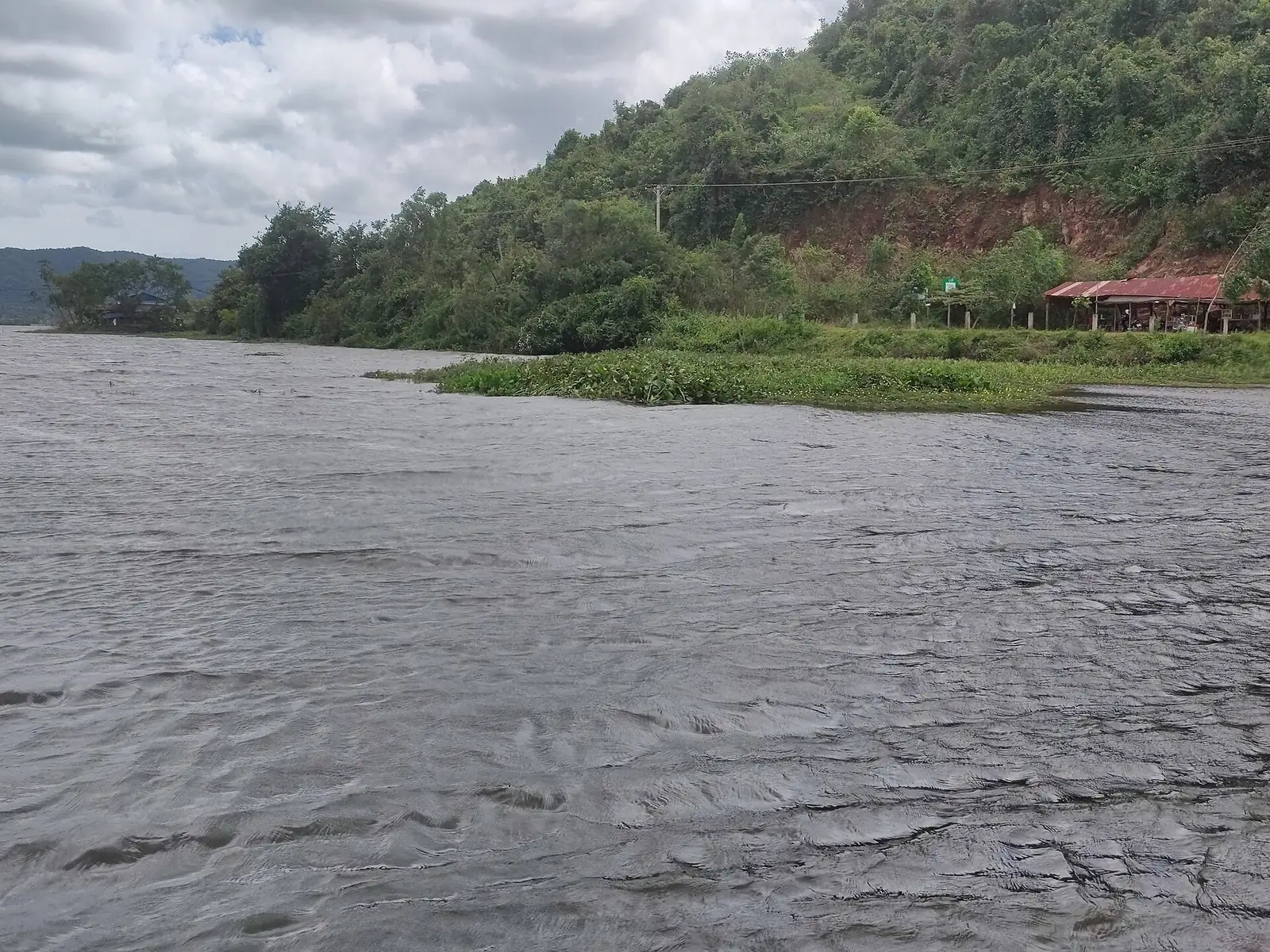
Much of the terrain is forest and rolling hills, cut by several rivers and smaller waterways. These matter locally: they feed the fields and have long served as routes for moving goods.
Farming is the base of the economy, and rice is the main crop. Cultivation is largely traditional. Alongside the farms there is some small-scale industry and trade, which keeps family incomes going across the district.
Village life follows the usual Cambodian calendar of family occasions and festivals, and local customs are still actively kept up. If you are invited to something, it is a chance to see everyday rural culture rather than a staged show.
Visiting Angkor Chey
The district suits people who want to see the Kampot countryside away from the main tourist circuit. The main draws are the natural scenery and some lesser-known historical remains, along with the possibility of low-key eco-tourism.
- Expect few facilities aimed at visitors, so carry water and cash and plan food stops in advance.
- Roads linking the district to neighbouring areas have improved step by step, which makes day trips from Kampot town more realistic than they once were.
- Ask locally before heading into forest or hill areas, and respect farmland and private property.
Services and environment
Better roads give residents easier access to markets, schools and healthcare services in nearby areas, and that connection is gradually helping the local economy.
The district's forests and waterways support wildlife, so conservation is an ongoing concern. Efforts focus on protecting habitat and encouraging more sustainable practice. Visitors can help simply by not leaving rubbish behind and by staying on established paths.
The eleven communes
The district is made up of Angk Phnum Touch, Ankor Chey, Champei, Daeum Doung, Dambouk Khpos, Dan Koum, Mroum, Phnum Kong, Praphnum, Samlanh and Tani. Each has its own page for more local detail.
Questions people ask
Is Angkor Chey a tourist destination?
Not yet in the mainstream sense. It is a rural district with unspoiled scenery and a few lesser-known historical remains, and it is better suited to independent exploration than to organised tours.
How many communes are in Angkor Chey District?
Eleven: Angk Phnum Touch, Ankor Chey, Champei, Daeum Doung, Dambouk Khpos, Dan Koum, Mroum, Phnum Kong, Praphnum, Samlanh and Tani.
What do people in Angkor Chey do for a living?
Agriculture is the backbone of the local economy, and rice is the main crop. Small-scale industry and trade add to household incomes.
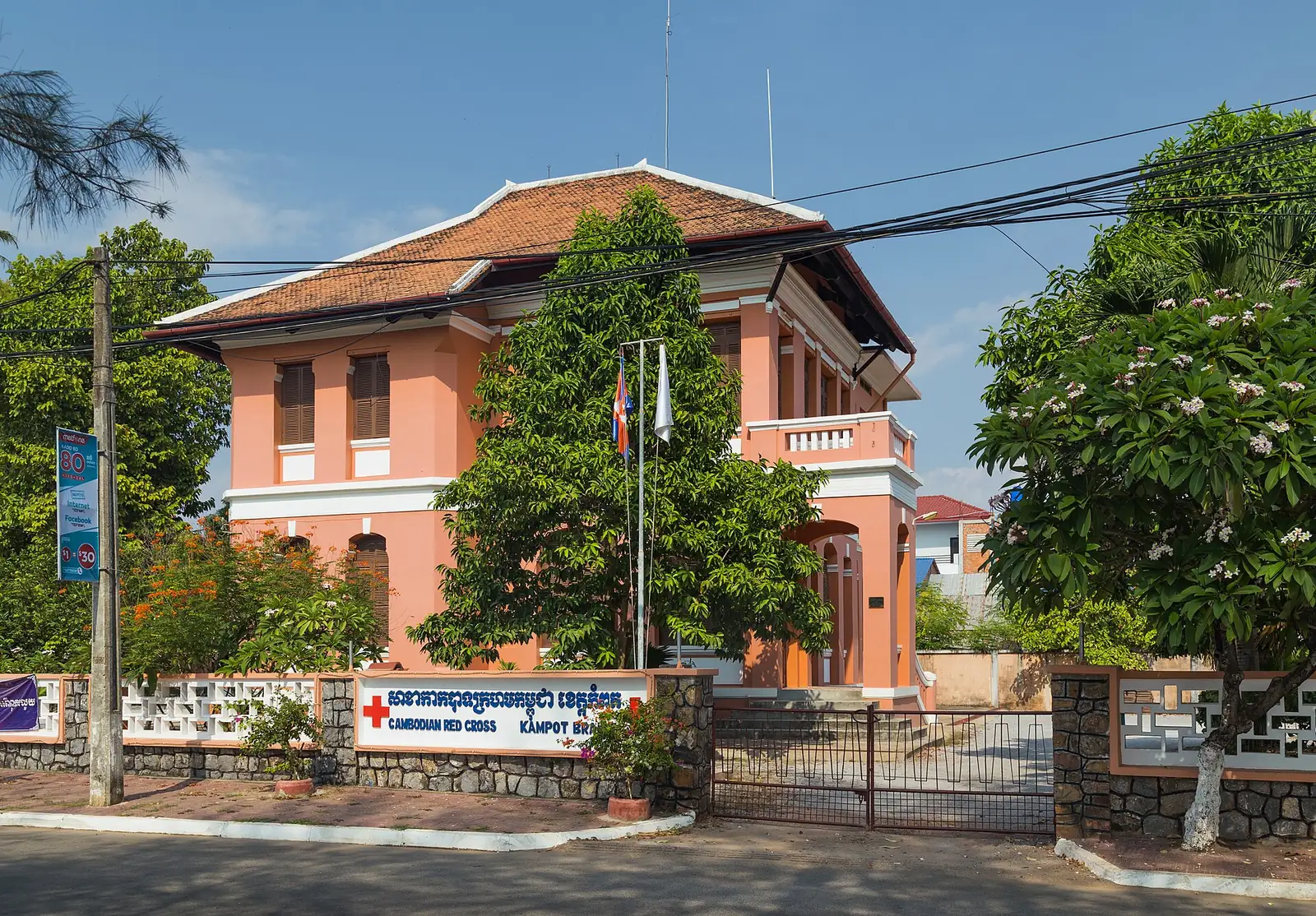 Bokor Clinic and Maternity
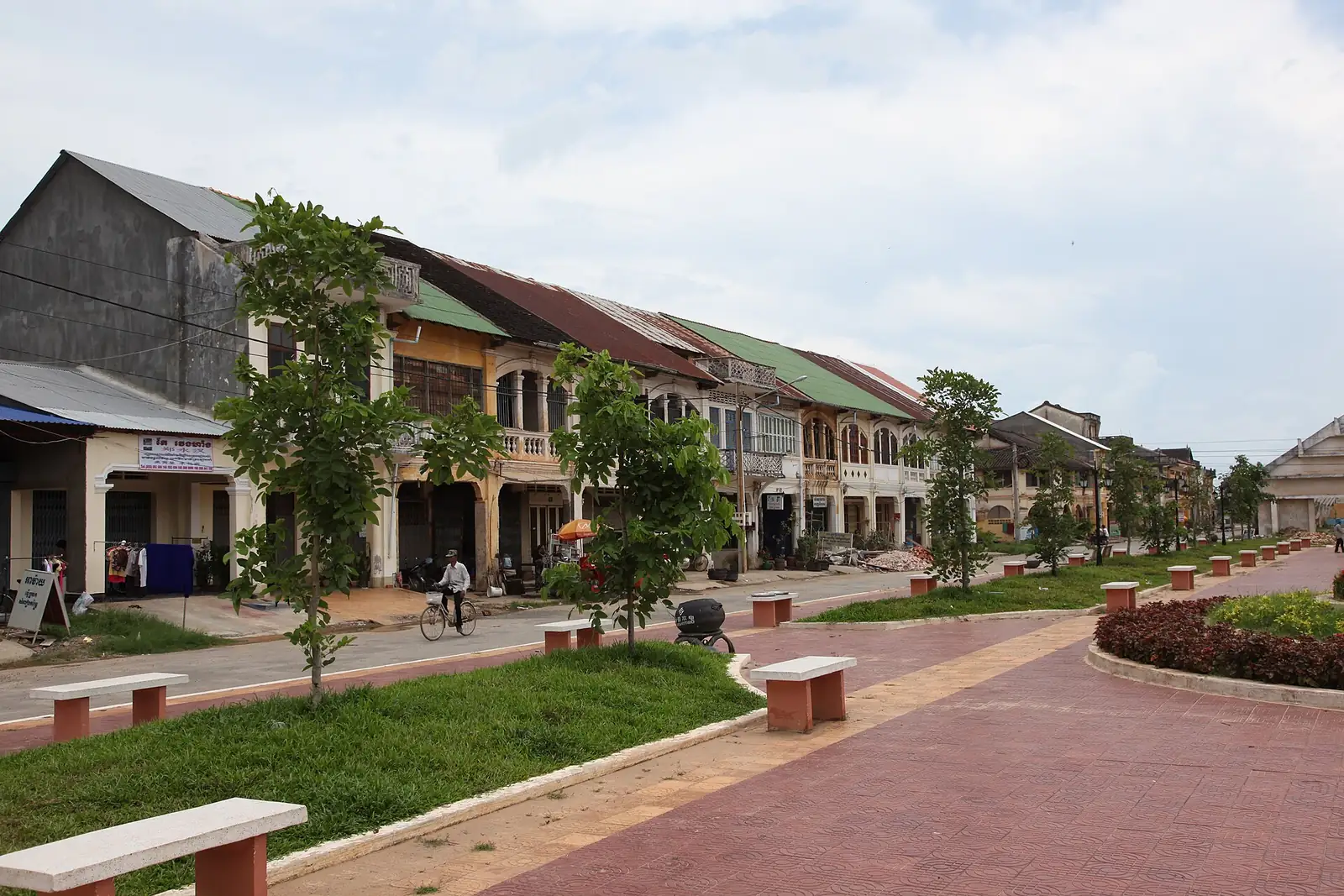 Garbage Collection in Kampot
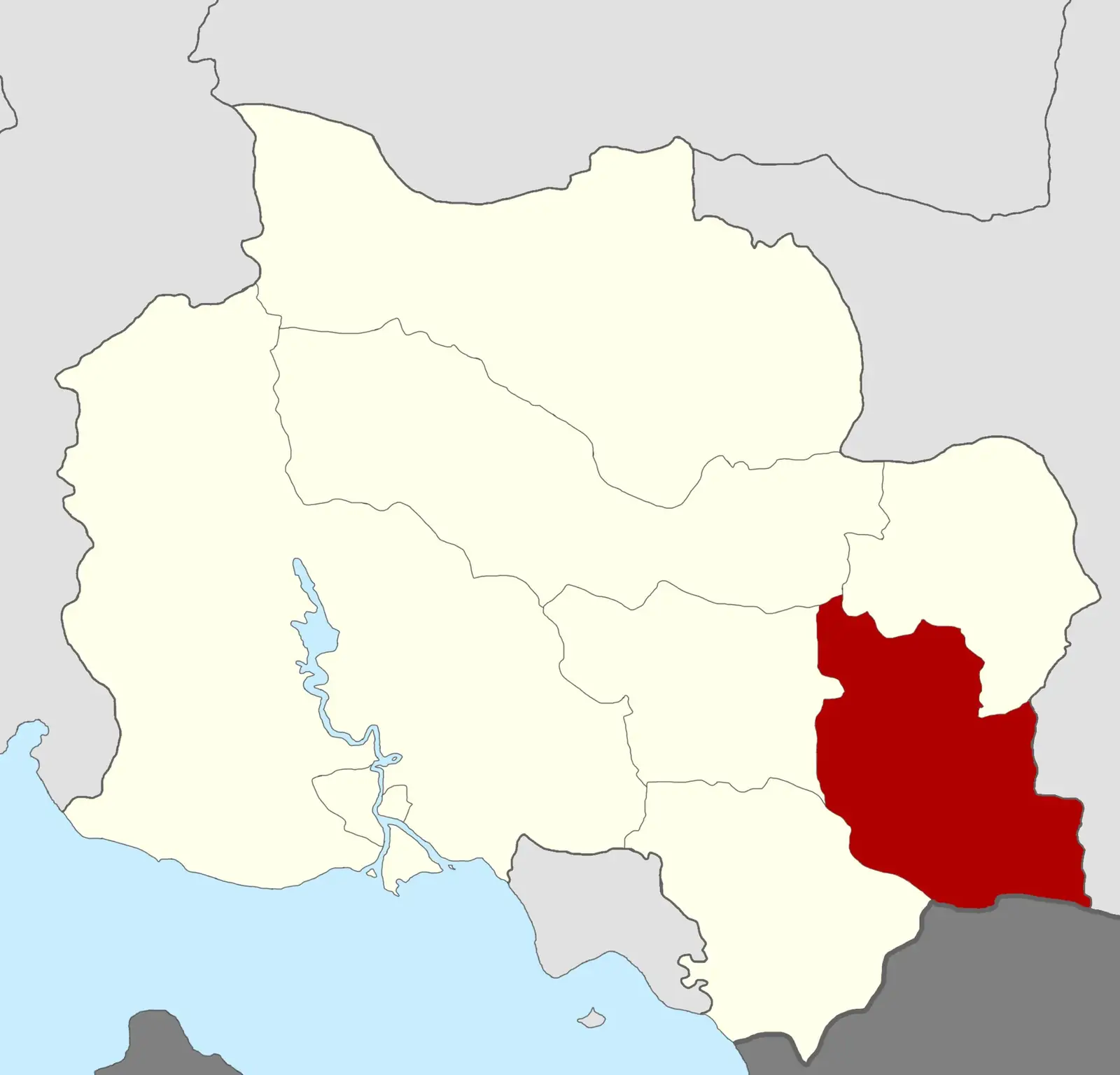 Banteay Meas District
 Chhouk District