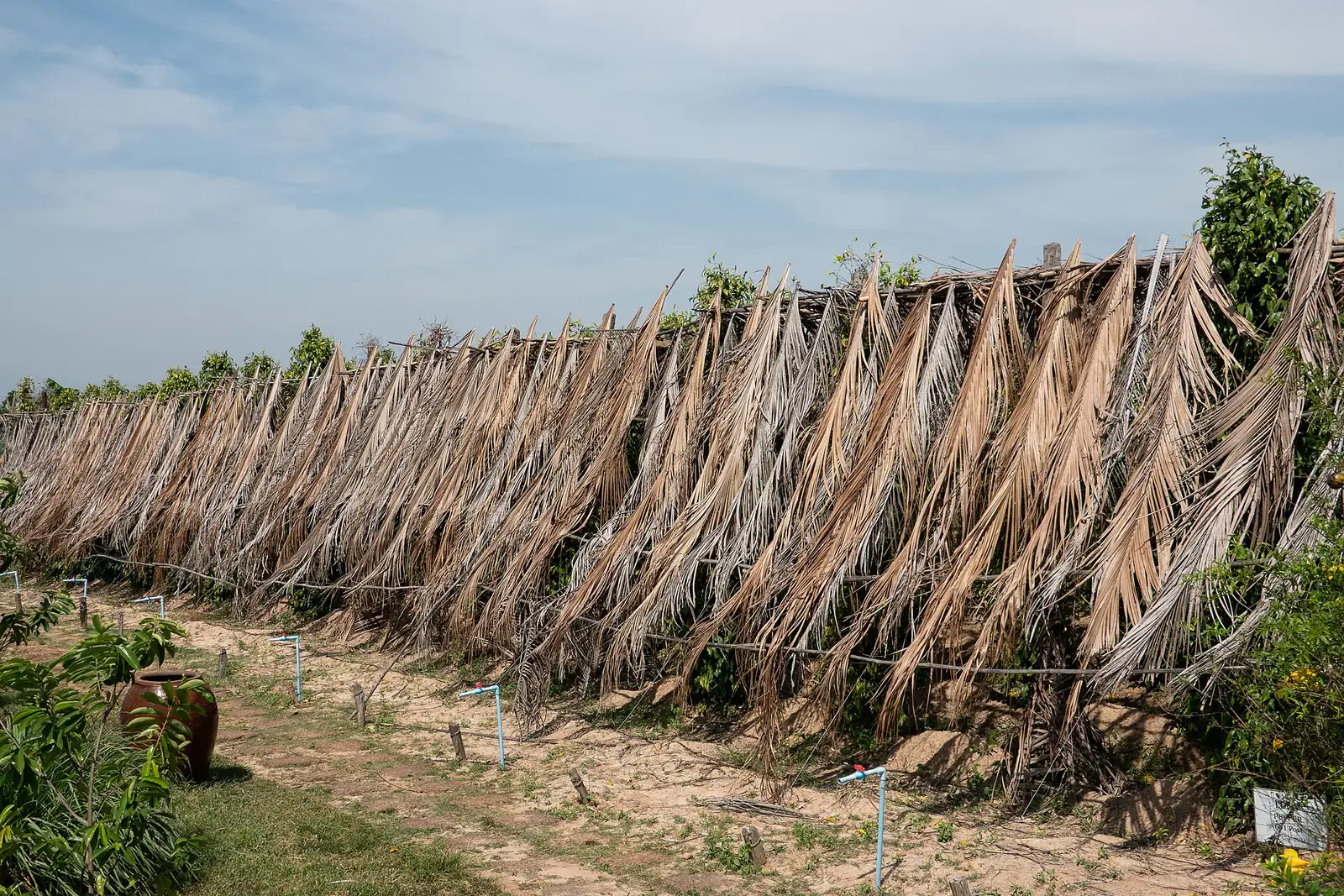
Why the name matters
Only pepper grown in Kampot province can be sold as Kampot pepper in the EU, where the name is legally protected. That protection is the reason the spice has a reputation for being the real thing, and also the reason buyers need to check labels with some care.
Pepper has been grown in Cambodia for centuries. Its reputation as a quality spice took off during the French colonial period, when it was shipped to France and elsewhere in Europe and became highly sought after there.
Four colours, four flavours
All four types come from the same vines. What changes is when the peppercorns are picked and how they are handled afterwards.
- Green: picked before the berries ripen. Bright and citrusy, with mild heat.
- Black: made from fully ripe peppercorns dried in the sun. A more robust flavour and stronger heat.
- White: soaked in water to remove the outer layer. Delicate, with a subtle heat.
- Red: left on the vine to dry. Rich and fruity, with strong heat.
Harvested peppercorns are processed by traditional methods, which is what brings out the aroma and flavour described above.
Cooking with it
Kampot pepper is used in French and wider European cooking, where its aroma has made it a favourite for gourmet dishes. It is just as much part of everyday Cambodian food, and turns up in classics such as fish amok and beef lok lak.
A practical tip: if you want to taste the differences between the colours, try them side by side on something plain, such as rice or a simple grilled dish.
Health claims
Pepper contains piperine, a compound with anti-inflammatory and antioxidant properties. It may aid digestion, improve circulation and help regulate blood sugar. In traditional medicine it has been used for digestive problems, respiratory complaints and arthritis. Treat these as traditional uses rather than medical advice.
Buying genuine Kampot pepper
The pepper is sold online and in specialty food stores around the world, so you do not have to carry it home from Cambodia. Whatever the source, look for products certified by the Kampot Pepper Promotion Association (KPPA) or the Cambodian Ministry of Commerce. Certification is the way to confirm that what you are buying is authentic.
Questions people ask
What is the difference between green, black, white and red Kampot pepper?
Green is picked before ripeness and tastes citrusy with mild heat. Black comes from ripe peppercorns dried in the sun and is more robust. White is soaked to remove the outer layer and is delicate. Red is left on the vine to dry and is fruity with strong heat.
How can I tell if Kampot pepper is genuine?
Look for certification from the Kampot Pepper Promotion Association (KPPA) or the Cambodian Ministry of Commerce.
Which Cambodian dishes use Kampot pepper?
It is commonly used in fish amok and beef lok lak, as well as in French and other European cooking.
Can I buy Kampot pepper outside Cambodia?
Yes. It is sold online and in specialty food stores around the world.
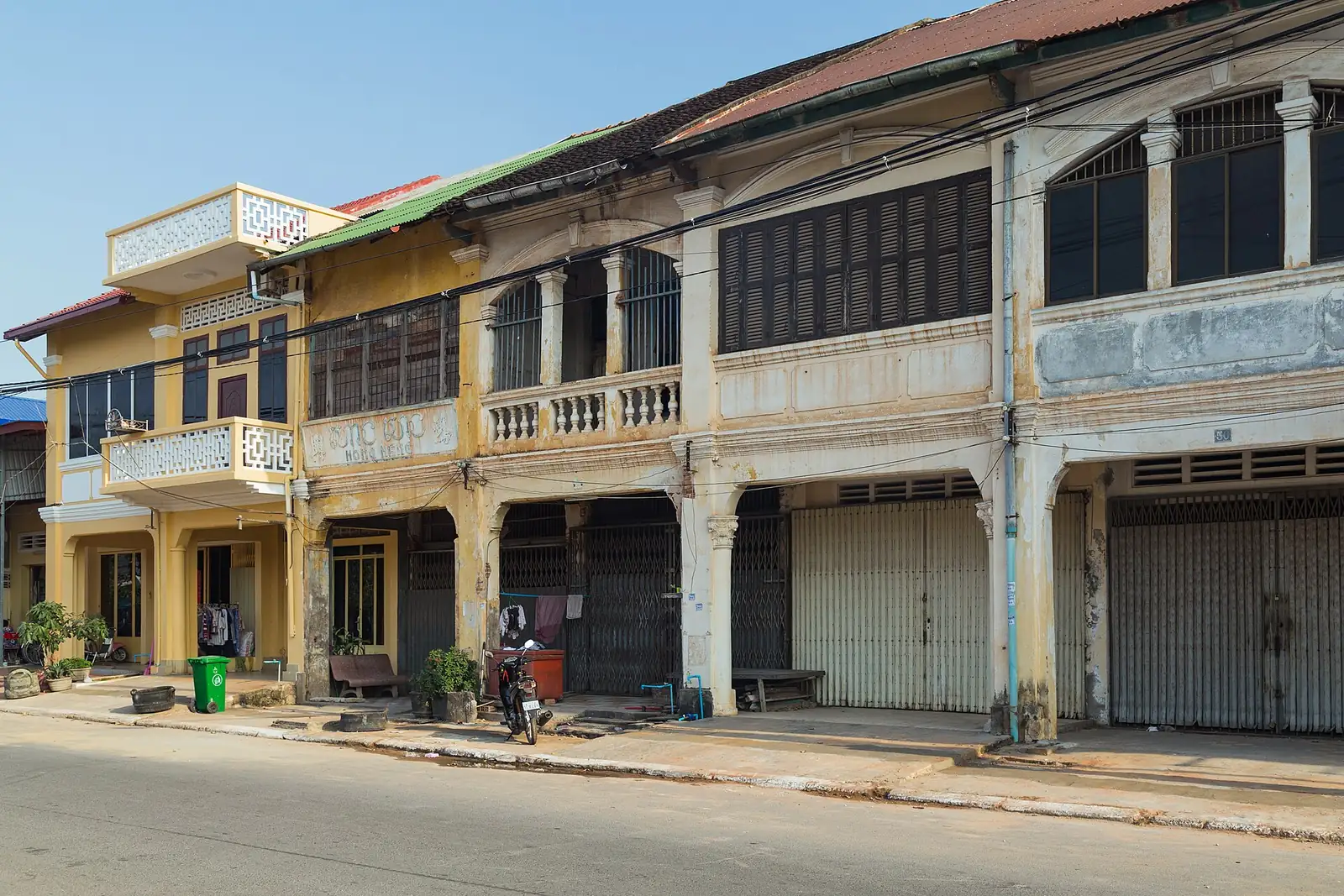 Property and real estate in Kampot
 Kampot questions answered
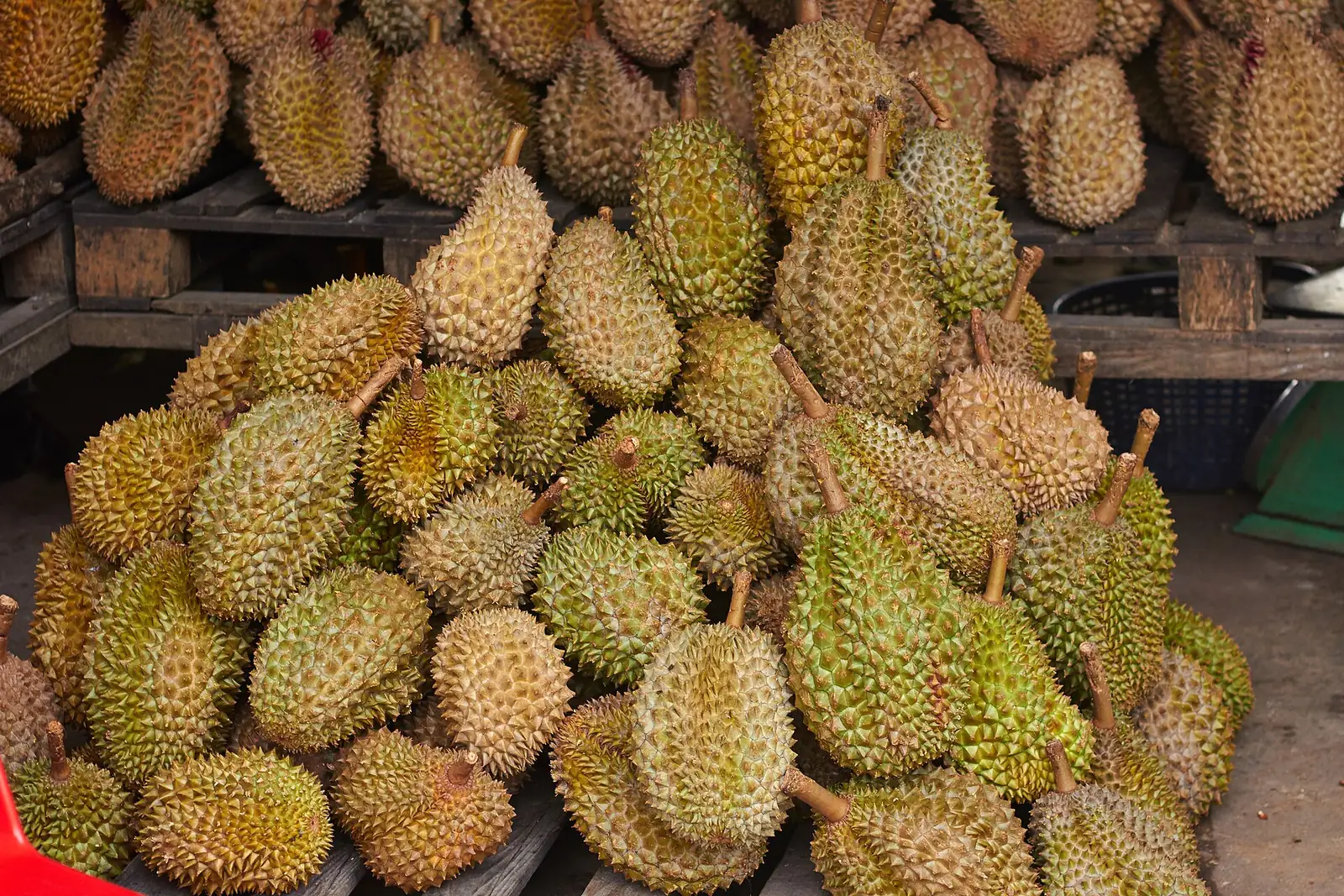 Kampot durian
 Khmer New Year in Kampot